The Ladder Approach
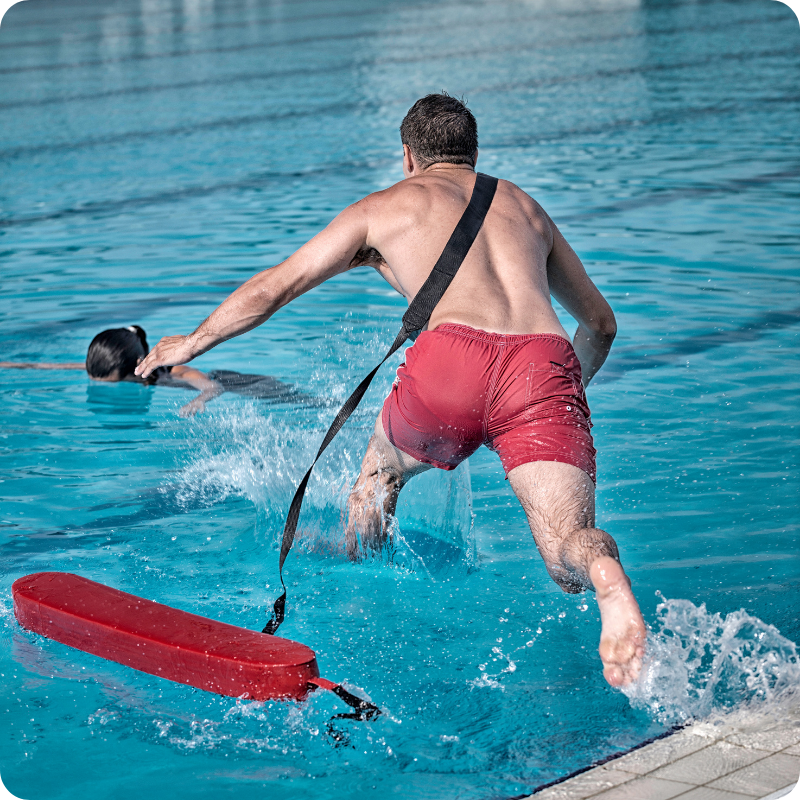
When someone is in distress in the water, the first instinct may be to rush in to help. However, entering the water can also put the rescuer at risk.
The ladder approach to lifesaving helps identify an appropriate rescue method while minimizing the risks to the person providing assistance.
The principle is simple: start with the safest rescue method and gradually increase the level of intervention only when necessary.
How does the ladder approach work?
The approach includes several possible rescue methods. As the rescuer progresses through the steps, the level of risk increases.
Communicate with the person in distress from a safe location.
Simple, calm instructions can help the person float, move toward a safe location or reach a nearby rescue aid.
Throw a buoyant aid to the person while remaining out of the water.
A lifebuoy, PFD or another buoyant object can help the person stay afloat.
Use an object to reach the person or establish a connection, such as a reaching pole, rope or rescue aid, while remaining in a safe position.
When the situation requires it, enter shallow water while remaining close to a secure point of support and extend a rescue aid to the person.
Use a boat to approach the person in distress and provide a rescue aid while remaining in the boat.
Swim close to the person with a buoyant aid, then communicate with them and help guide them toward a safe location without making direct contact.
When necessary, use a buoyant aid to tow the person to a safe location while avoiding direct contact.
A carry involves direct contact with the person in distress. This type of rescue presents a higher level of risk and requires appropriate lifesaving skills.
Rescuer safety comes first
A rescue attempt should not create a second victim.
Before taking action, it is important to assess the situation, call for help and choose a rescue method that can be performed from a safe location whenever possible. If the situation is beyond the abilities of the person providing assistance, emergency services should be contacted immediately.
For anyone without lifesaving training, rescues performed from shore or another safe location should always be prioritized. Entering the water to perform a rescue significantly increases the level of risk.
A principle taught from the beginning
The ladder approach is one of the fundamental principles taught in Lifesaving Society programs. It helps develop judgment and risk-assessment skills and teaches participants how to select the most appropriate rescue method for each situation.
The key principle: provide assistance while taking the least amount of risk possible.