Newcomers
Welcome to Quebec
In our beautiful province, bodies of water are abundant and an integral part of our identity. From the St. Lawrence River and vast lakes to countless rivers and streams, water shapes our landscape, contributes to our economy and plays a central role in our recreational activities. However, this close relationship with water also comes with risks and responsibilities. We would therefore like to share a few tips to help you safely enjoy and navigate your new aquatic environment.
Understanding the Importance of Water
Quebec holds 3% of the world’s renewable freshwater resources, with approximately 40% of this freshwater located in the St. Lawrence River watershed.
Quebec is home to 500,000 lakes and 4,500 rivers. When smaller ponds and other bodies of water are included, the total reaches approximately 3.6 million bodies of water.
Water plays an important role in Quebec’s history and culture. It is a source of life, recreation and energy. As you settle in, you will quickly discover how popular water-related activities are among Quebecers, including swimming, fishing, kayaking and many others. Respecting the water also means protecting these traditions and preserving water quality for future generations.
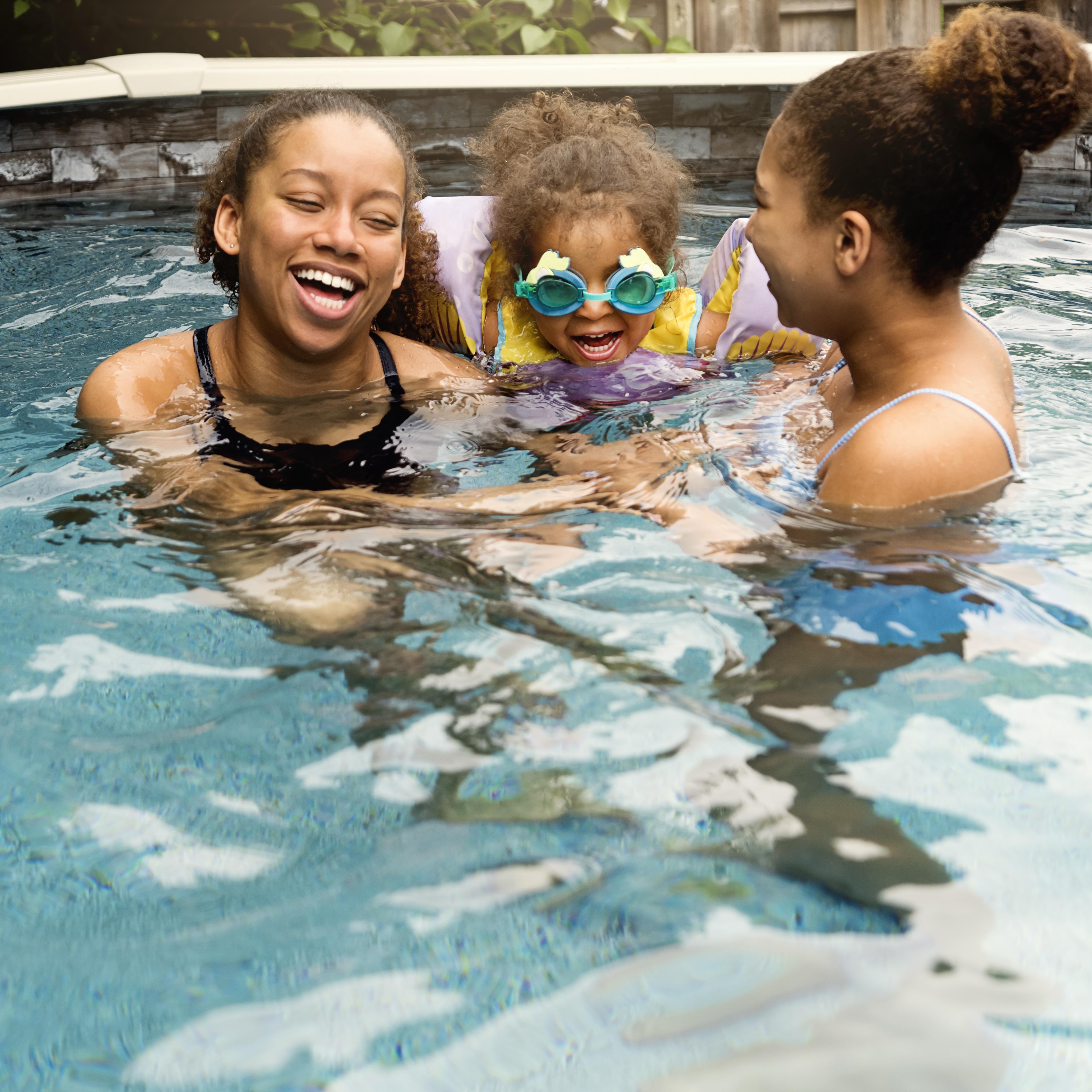
Knowing how to swim vs. Knowing how to swim safely
Knowing how to swim means being able to swim a distance of 50 metres without your feet touching the bottom.
Knowing how to enjoy the water safely means being able to cool off and enjoy the water with confidence while keeping your feet in contact with the bottom, whether in a wading pool, the shallow end of a swimming pool, or at the beach with your feet on the sandy bottom.
Safety First
Before taking part in any water-related activity, preparation is key to preventing accidents. Whether you are going canoeing, spending a day swimming at the beach, or heading out on a fishing trip in a motorboat, it is essential to be well informed and properly equipped. Each year, drowning reports highlight the critical importance of prevention and education in reducing these preventable tragedies.
Here are some essential safety tips based on data and recommendations from the Lifesaving Society to help ensure that your aquatic and boating activities are both safe and enjoyable:
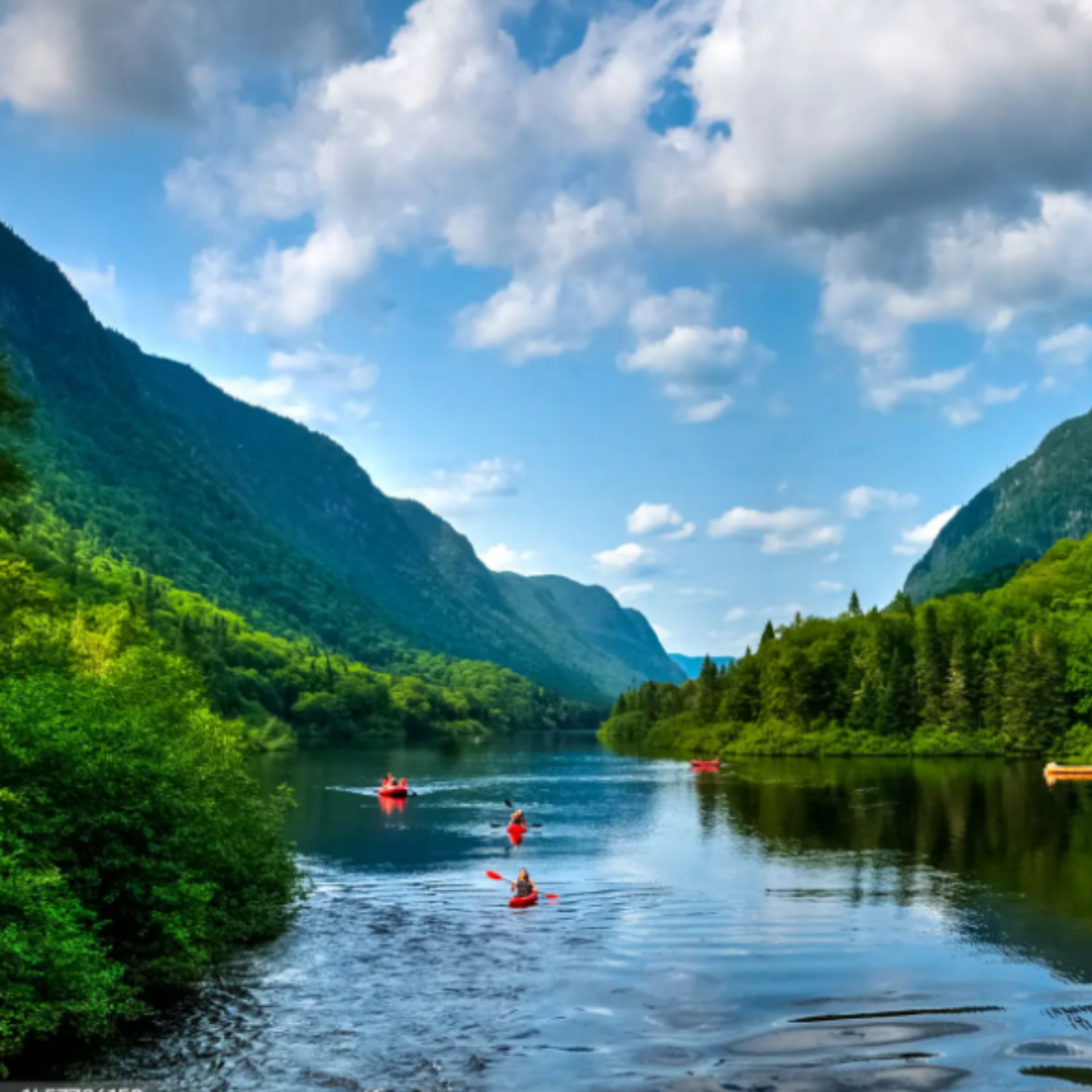
Know your aquatic environment
Becoming familiar with the environment where your activity takes place is essential to understanding the potential hazards.
A few questions to ask yourself:
Is it a lake, a river or a swimming pool?
Is there a current? Is the water deep?
Is the water clear or murky?
Is there a lifeguard nearby?
Do I have cell phone service where I am?
What is the weather like today?
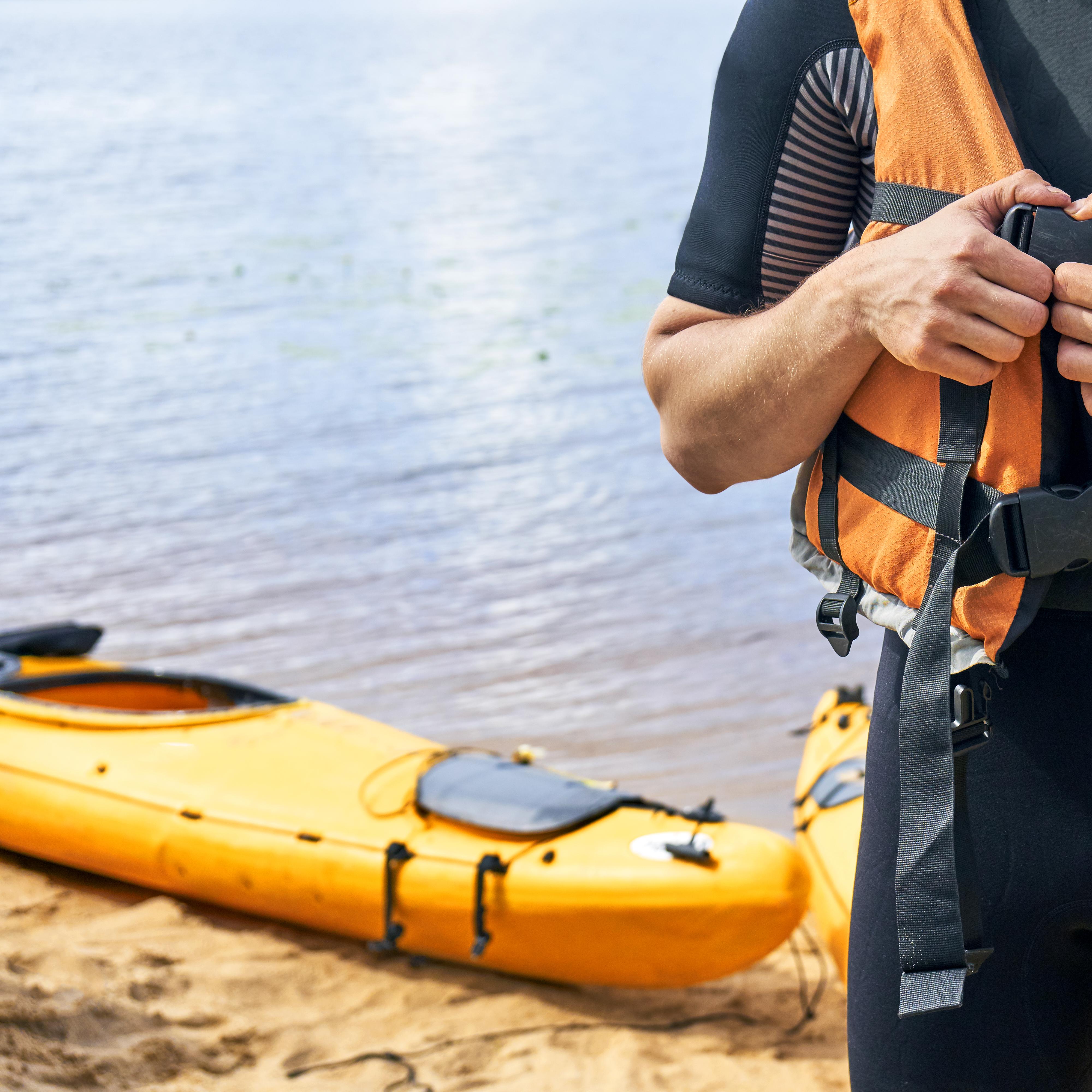
Wear a Lifejacket
To help prevent drowning, wearing a lifejacket or personal flotation device (PFD) is very important. Children and people who cannot swim should wear one. Even experienced swimmers can benefit from this additional protection, particularly when participating in water sports or boating.
In Canada, regulations require every recreational boat to carry a properly sized lifejacket or PFD for each person on board. We strongly recommend wearing it at all times while boating.
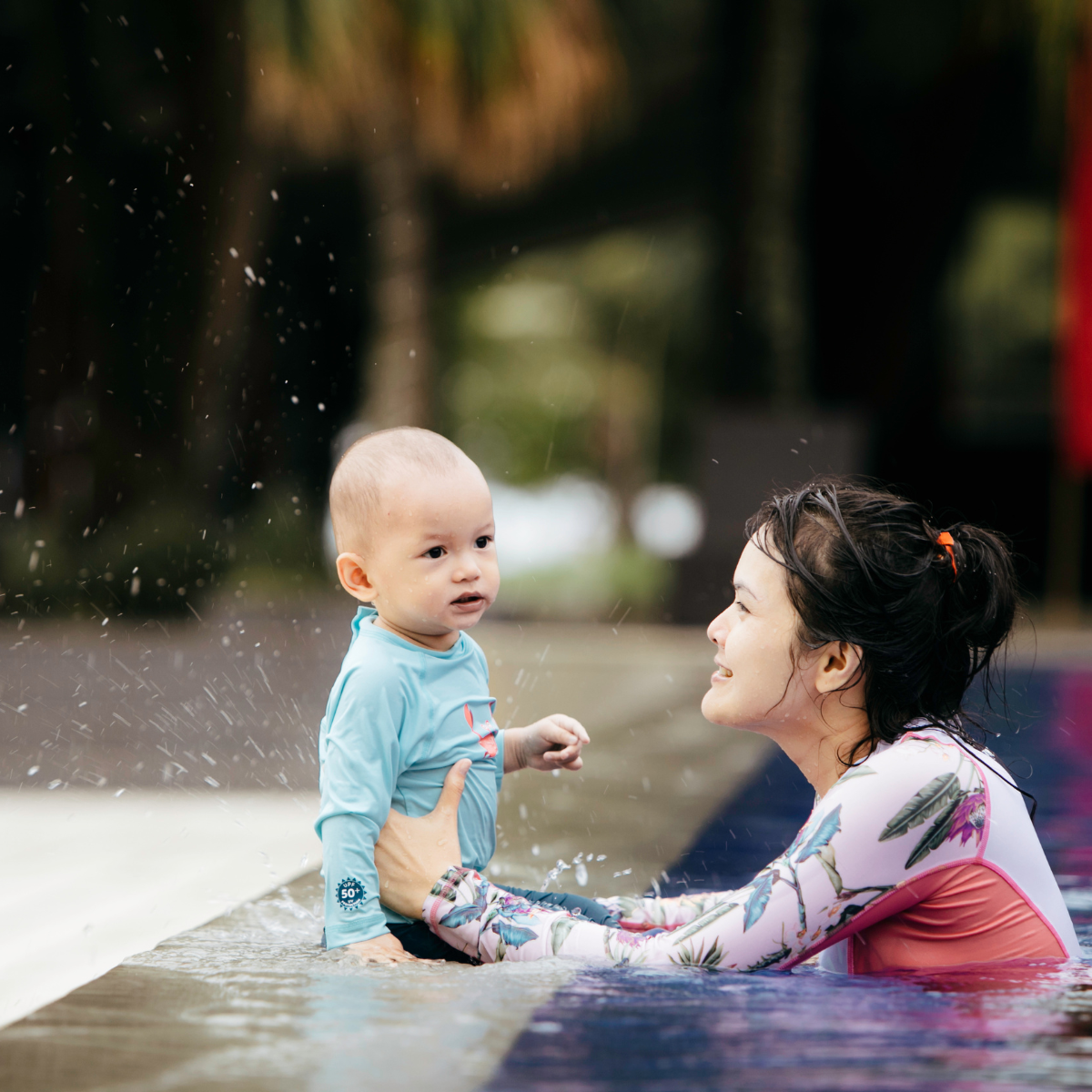
Supervision of Children
Children should always be under the active supervision of an adult when they are near water. Drowning can happen quickly and silently, so constant vigilance is essential.
Planning a group activity? Make sure an adult is always specifically responsible for supervising the children.
If a child is not within arm’s reach, they are already too far away.
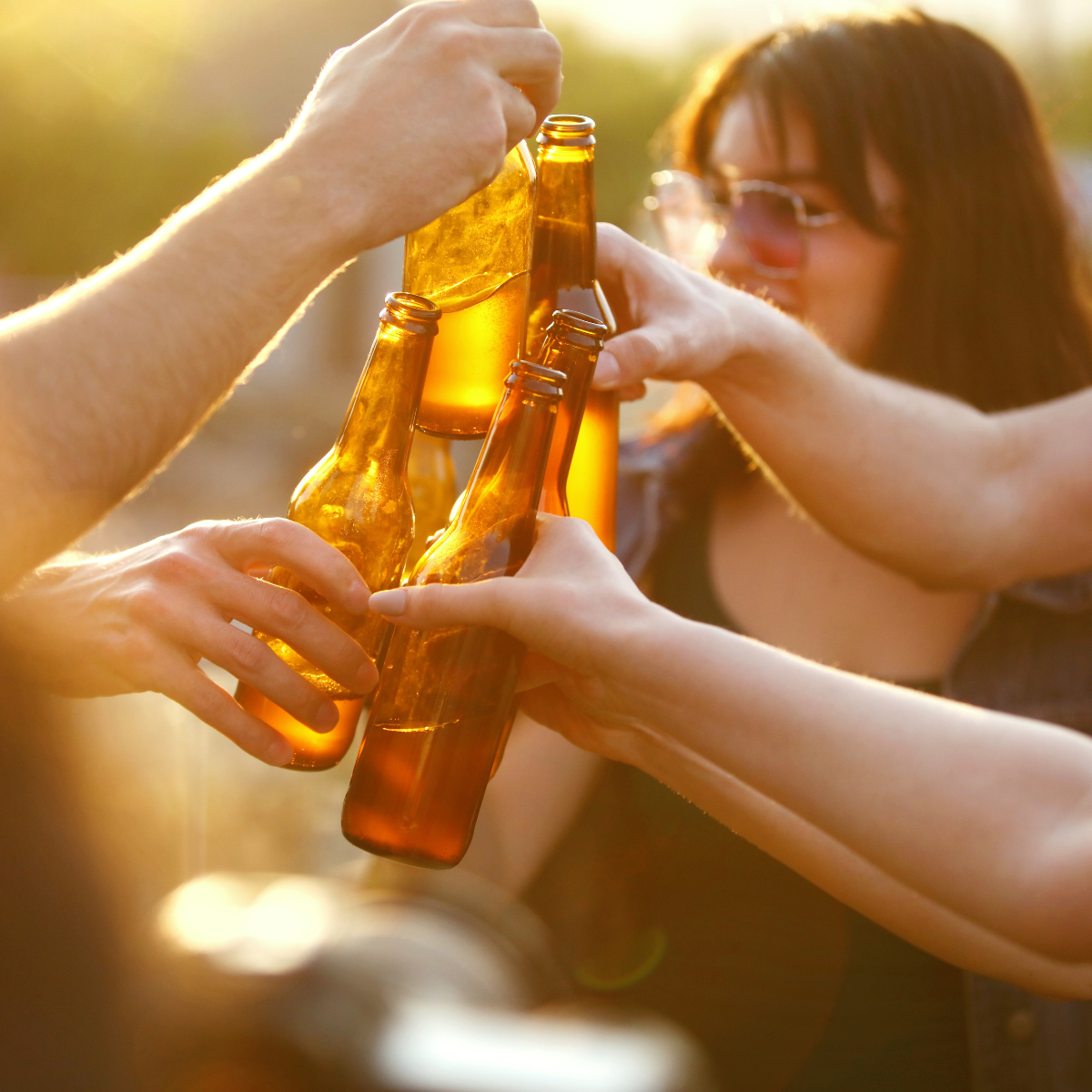
Alcohol and Drug Use
Alcohol and drug use is a significant factor in many drowning incidents. Alcohol and drugs impair judgment, reduce coordination and can increase the risk of hypothermia.
On or near the water, stay alcohol- and drug-free.
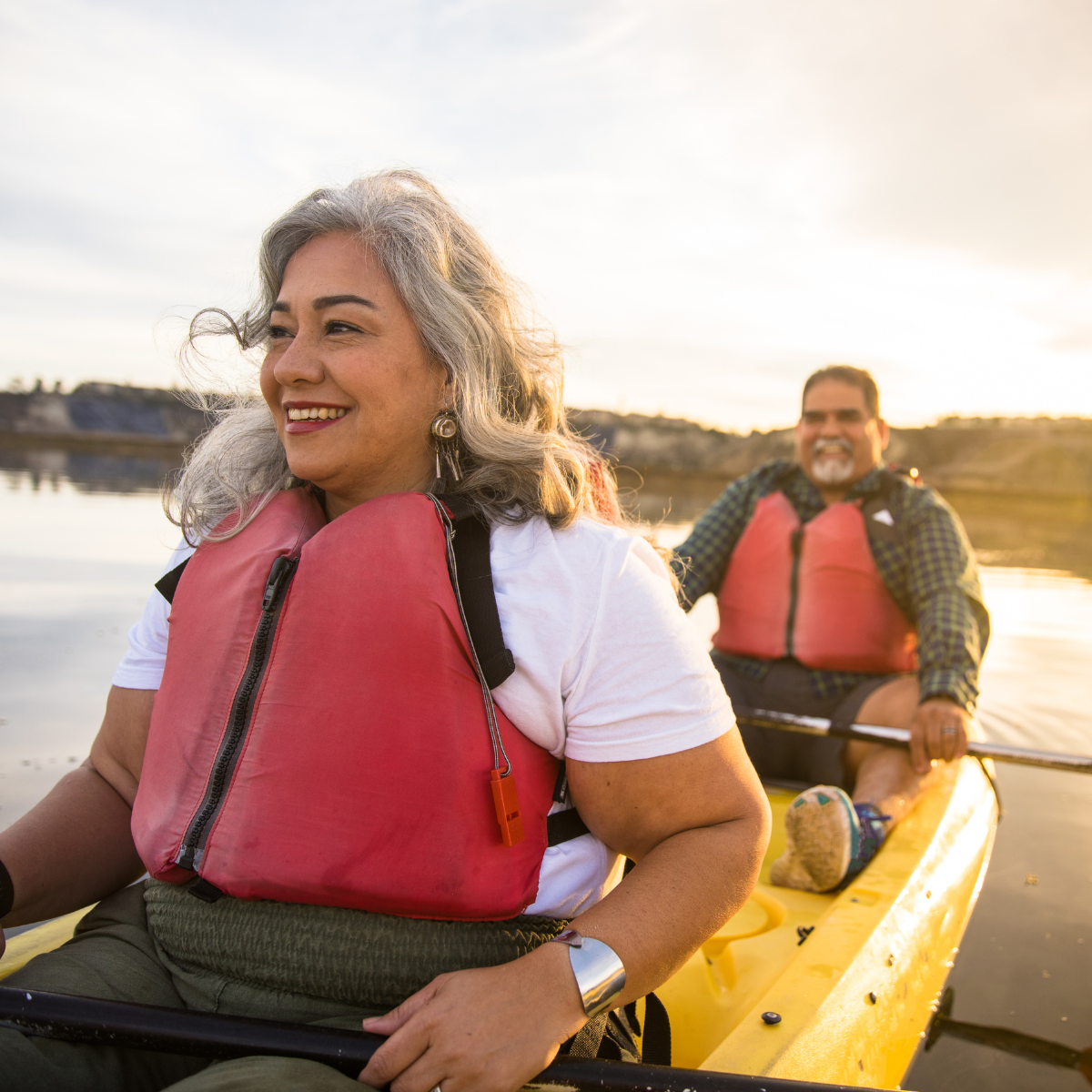
Neverbe alone
Swimming or participating in boating activities alone poses a significant safety risk. If something goes wrong, no one is there to provide immediate assistance. Even experienced swimmers can find themselves in difficulty!
Always swim with a buddy or in a supervised area to help ensure your safety at all times.
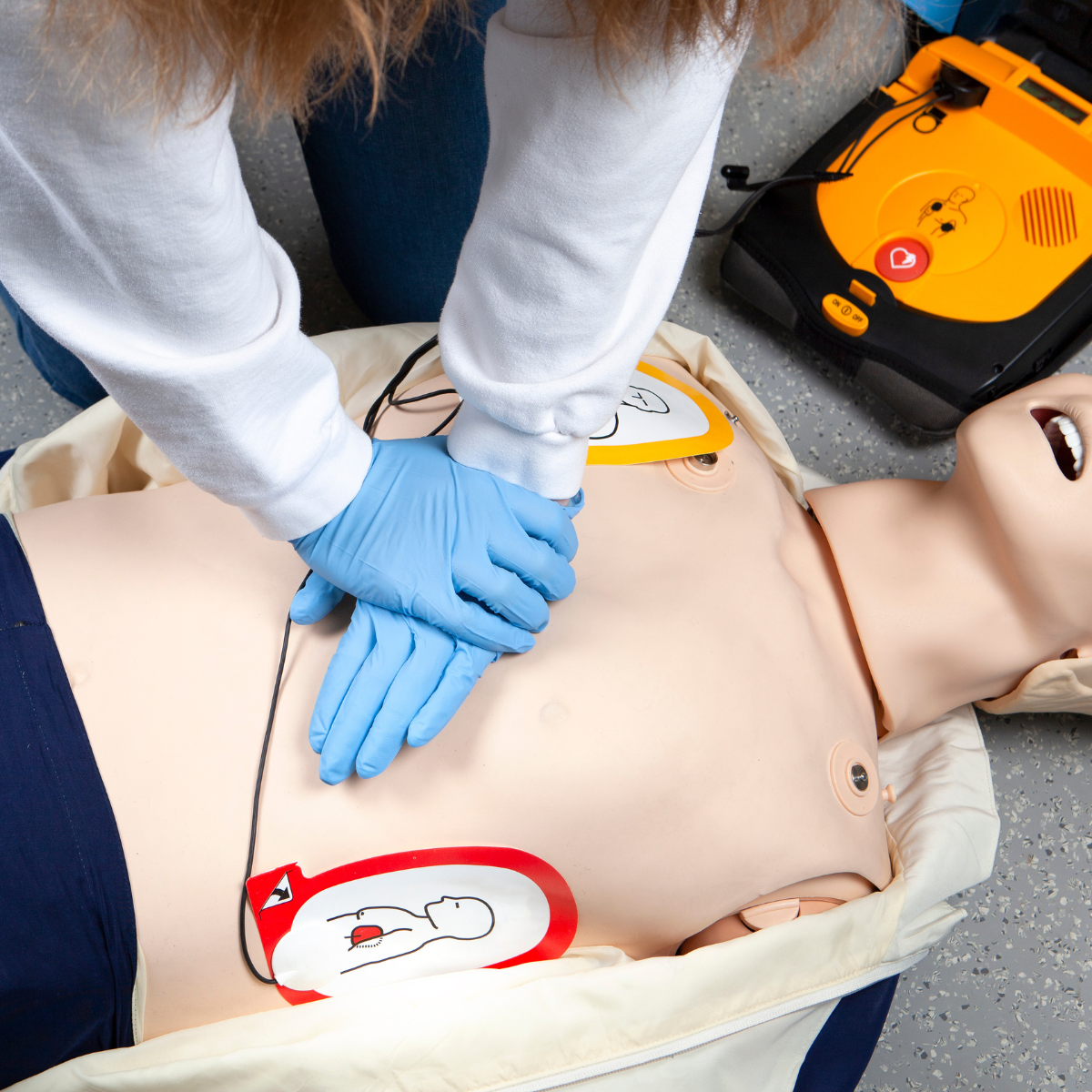
Learn to save lives
Knowing lifesaving techniques and first aid skills, including cardiopulmonary resuscitation (CPR), can make all the difference in an emergency. Training courses are available to help you learn these essential skills. They can save a life!
To take a first aid course, visit the First Aid section or contact your local recreation centre for more information
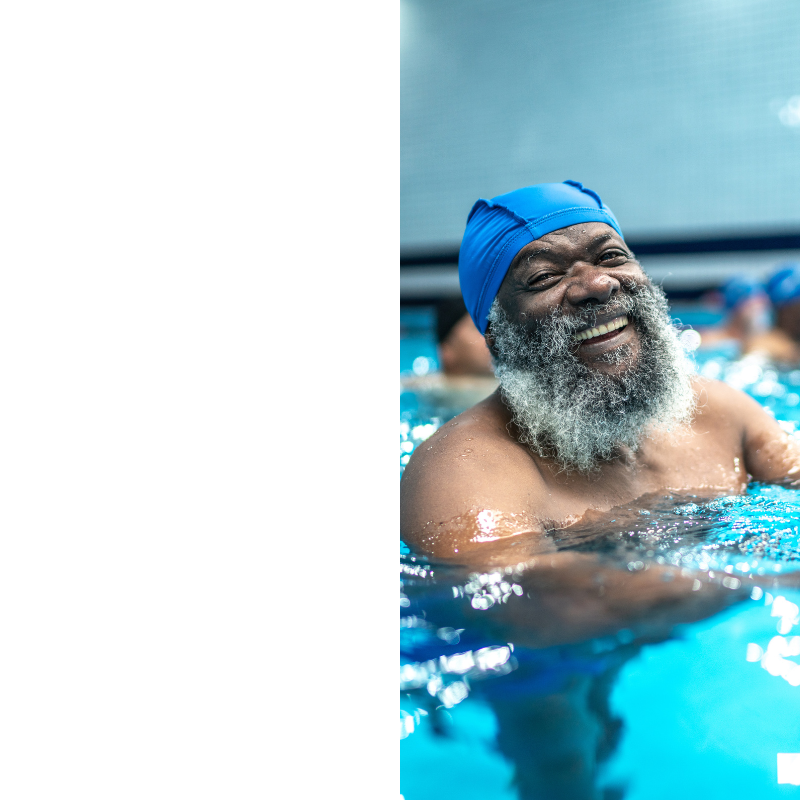
Learn to swim
Knowing how to swim is essential. It is a vital survival skill that also helps promote healthy lifestyle habits.
The Importance of Knowing How to Swim
Knowing how to swim significantly reduces the risk of drowning and helps you feel more confident and safe around water.
Swimming Programs for Everyone
The Lifesaving Society Quebec and many other organizations offer swimming lessons for all ages and skill levels. From beginner lessons to advanced lifesaving training, there are options to help everyone find the program that best suits their needs.
To register, contact your local swimming pool to learn about available programs.
Encouraging Children to Participate
Introducing children to swimming at an early age is particularly beneficial. Not only does it help them develop an important safety skill, but it also helps them build a positive relationship with water, overcome fears and establish the foundations of an active and healthy lifestyle.
Swimming for Health
Knowing how to swim offers many benefits for both physical and mental health. Swimming is an excellent form of exercise that strengthens the heart and muscles and helps reduce stress. It also provides opportunities to enjoy activities with friends and family and explore Quebec’s many aquatic environments.
Available Resources
To find swimming lessons near you, contact or visit the following resources:
Community centres in your area
Municipal swimming pools in your neighbourhood or surrounding area
The Québec Natation website
The Lifesaving Society website
By following the advice above and adopting a cautious and informed approach around water, we can all help reduce the number of drownings and ensure that our experiences in and around water remain safe and enjoyable. The Lifesaving Society Quebec is committed to promoting aquatic safety and offers a wide range of resources and training programs to help you enjoy the water safely.
Respecting the Environment
Our relationship with water also comes with a responsibility to protect the environment. It is important to enjoy aquatic and boating activities responsibly by avoiding pollution and respecting aquatic wildlife and ecosystems. Every action counts when it comes to keeping our waters clean and healthy.
Connecting with Your Community
Participating in aquatic activities can be a great way to meet people and become part of your community in Quebec. It is an opportunity to learn not only about water safety and recreation, but also about the values of respect, sharing and solidarity that bring us together.
We hope these tips will help you embrace your new life in Quebec with enthusiasm and confidence. Water offers wonderful opportunities for recreation and enjoyment, but it also requires respect, awareness and knowledge. The Lifesaving Society Quebec is here to support you as you discover Quebec’s aquatic environment and learn how to enjoy it safely.
Welcome to Quebec, and we hope you enjoy all that our aquatic environment has to offer!
Exercises for French-Language Integration Classes
To further its mission, the Lifesaving Society has developed exercises and educational tools specifically designed for French-language integration classes. These resources have been created with learners of all ages in mind.
This initiative is currently in its first phase of development, and we would be pleased to receive your comments and suggestions. Are you a teacher and would like to share your feedback with us?
Feel free to contact us!
For kids
Jeu des 7 erreurs à la piscine
Jeu des 7 erreurs à la piscine - Solution
Jeu des règlements à la piscine
Jeu des règlements à la piscine - Solution
Exercice couleur des pictogrammes
Exercice couleur des pictogrammes - Solution
Exercice association des pictogrammes
Exercice association des pictogrammes - Solution
Lexique sur les milieux aquatiques et la sécurité
For Teens and Adults