School environment
Integrating aquatic safety and lifesaving into the school curriculum helps raise awareness about drowning prevention among young people while promoting physical activity and the development of essential life skills.
The Lifesaving Society's programs also introduce students to lifesaving in a school setting and provide pathways toward certifications that can lead to various employment opportunities in the aquatic field, particularly in lifeguarding and instruction.
With its expertise in drowning prevention, lifesaving and aquatic safety, the Lifesaving Society can help schools select and implement programs suited to their specific needs.
For more information or to discuss opportunities available in schools:
Why Integrate Lifesaving into Schools?
Lifesaving combines physical activity, learning and aquatic safety. In addition to developing various skills in the water, students learn to recognize risks, adopt safe behaviours and respond to emergency situations.
Integrating lifesaving into physical education classes helps students:
Develop aquatic skills and physical fitness;
Increase their awareness of drowning prevention and aquatic safety;
Learn rescue and self-rescue techniques;
Develop judgment and the ability to respond to emergency situations;
Discover lifesaving training pathways and employment opportunities in the aquatic field.
How Can Lifesaving Be Integrated into Classes?
Depending on curriculum objectives, students' skill levels and available time, different approaches can be considered.
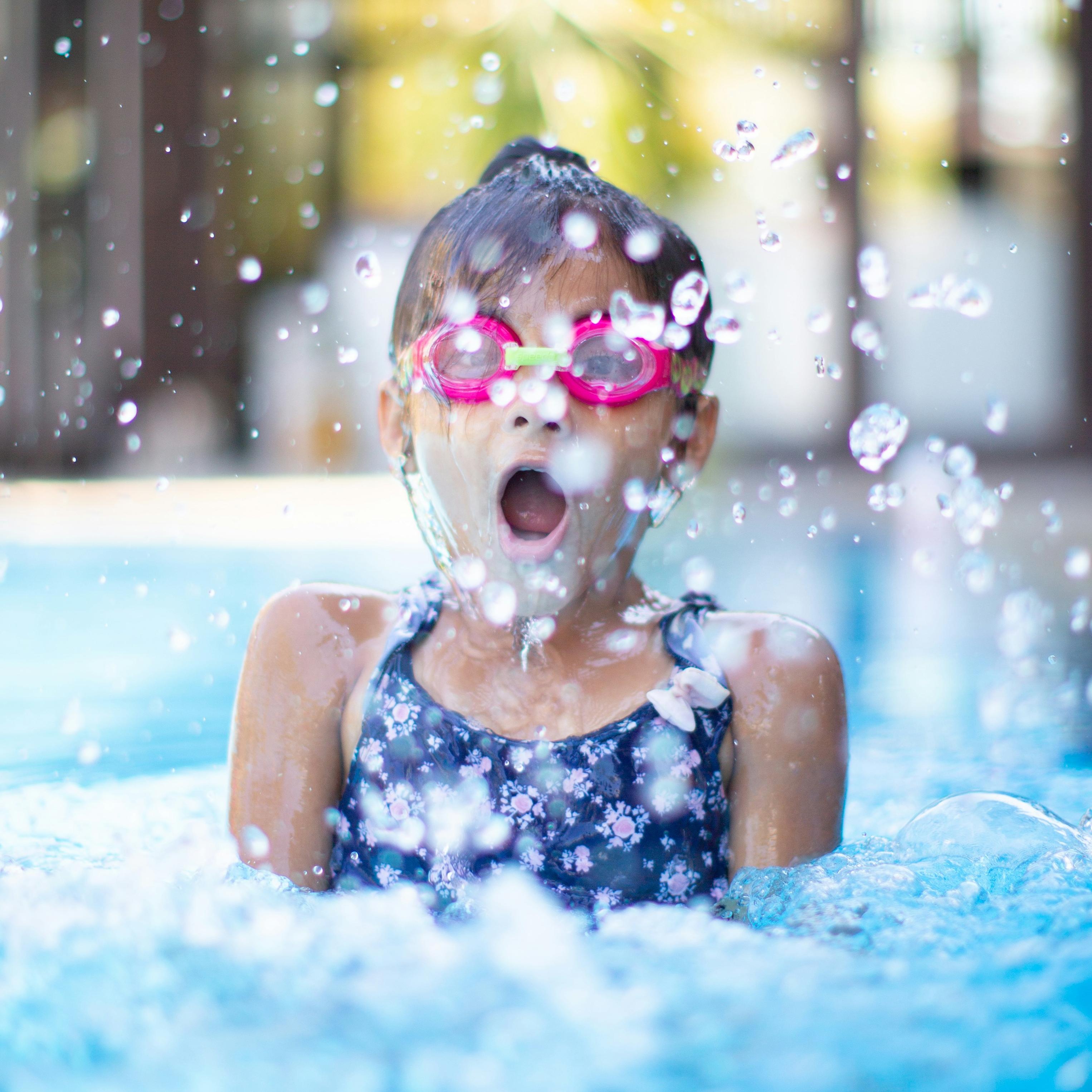
Extracurricular Program
The Quebec government has introduced measures allowing public secondary schools to offer certain lifeguarding, instructor and first aid courses free of charge.
In addition to providing students with opportunities to participate in sports, these courses, which can normally cost several hundred dollars, may allow them to qualify for employment as early as age 15.
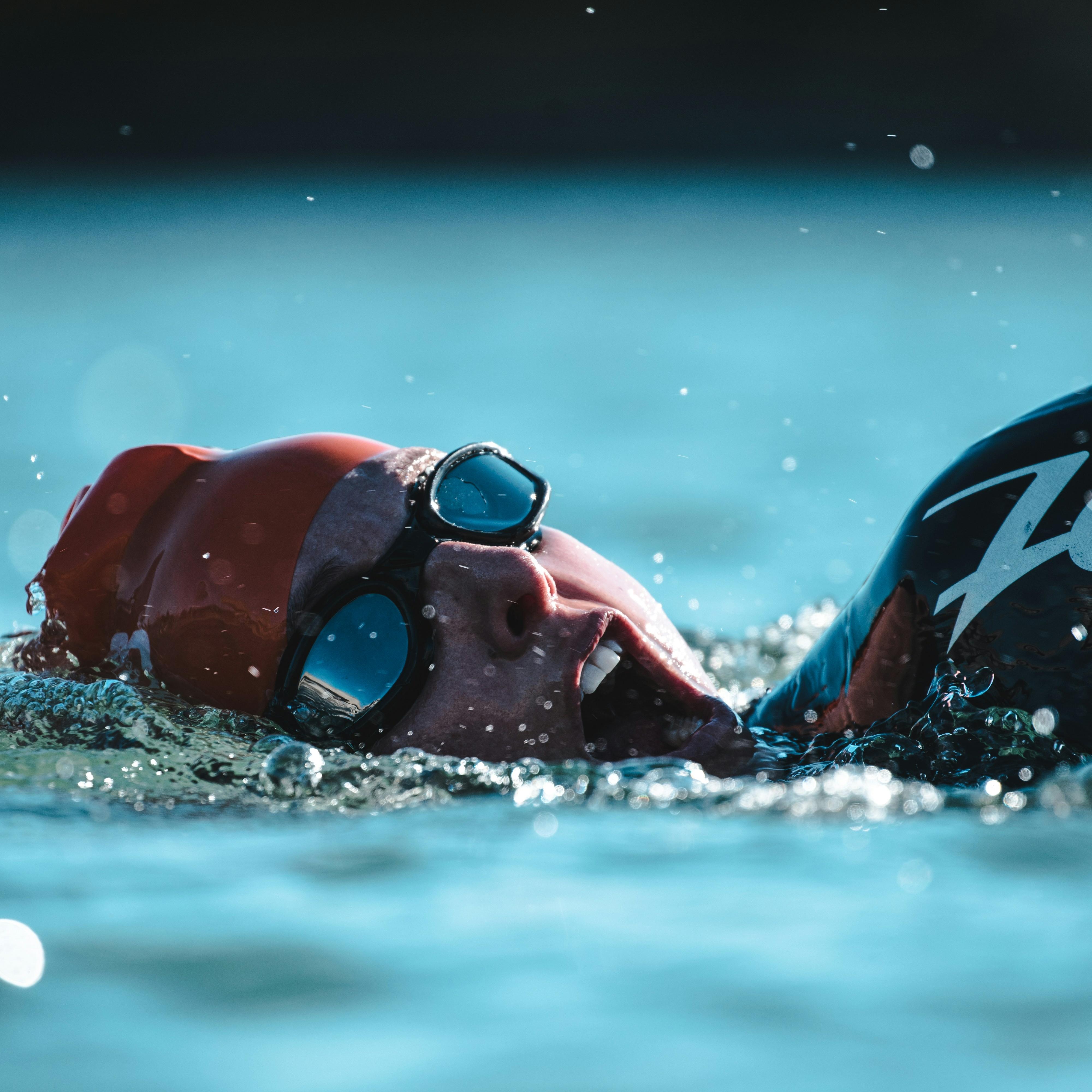
Teacher Training
To help physical education teachers acquire the essential skills needed to teach aquatic activities, the Lifesaving Society offers a more efficient approach tailored to their needs. Rather than completing the traditional Bronze Medallion (15 hours) and Bronze Cross (20 hours) courses, teachers can take challenges specifically designed for them.
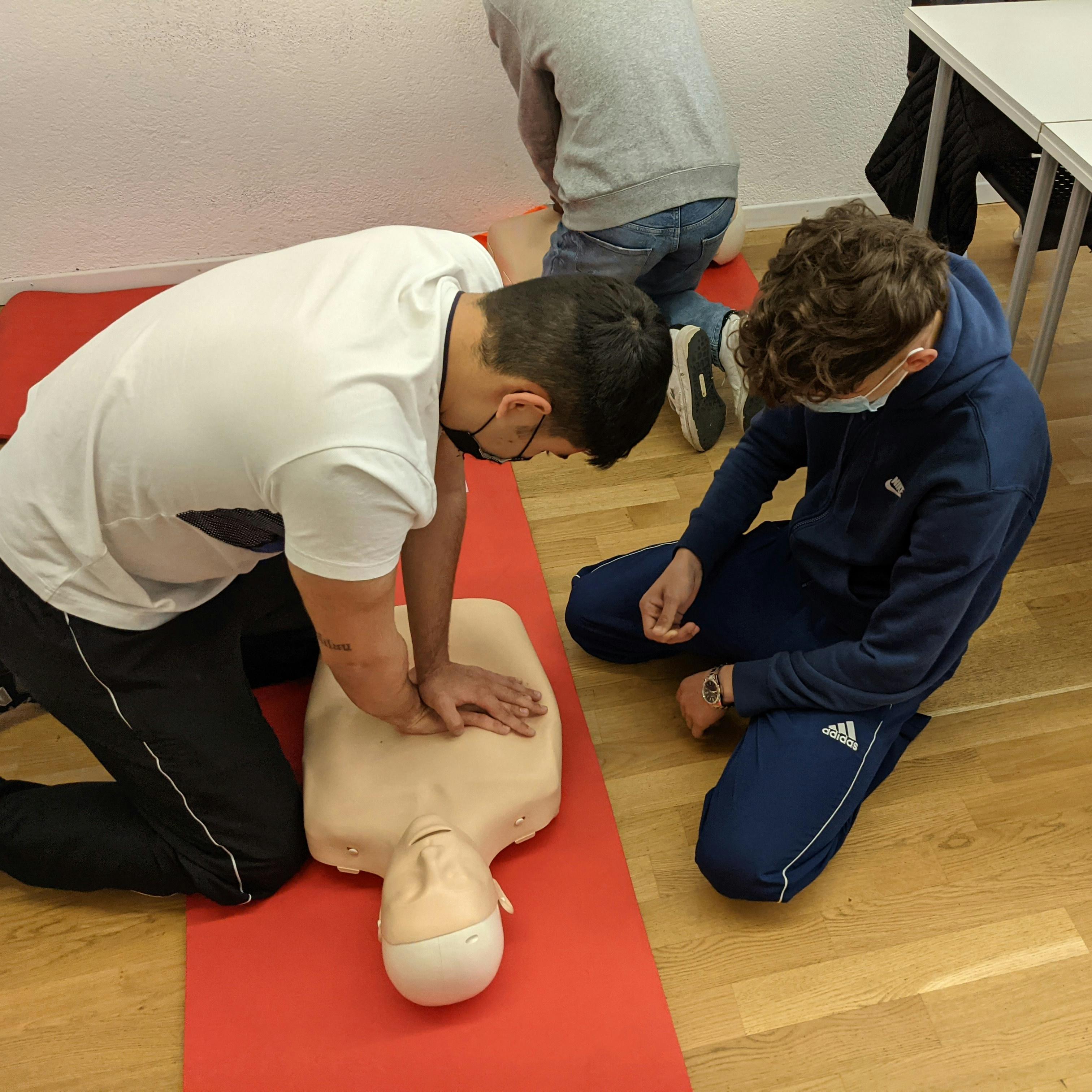
Cardiopulmonary Resuscitation (CPR) – Schools
School-based cardiopulmonary resuscitation (CPR) courses teach participants how to assist people of all ages experiencing cardiac arrest and/or an airway obstruction. They also provide essential knowledge about automated external defibrillators (AEDs).
The Lifesaving Society offers CPR courses for secondary school students, physical education teachers and students enrolled in physical education and health programs.
Funding for Aquatic Safety Workshop Programs
Knowing how to enjoy the water is one thing. Knowing how to swim is another!
To prevent drowning, the Lifesaving Society created the Swim to Survive and Swim to Survive+ programs, which can be offered as educational or sports-related school outings.
To encourage participation in these programs, the Ministère de l'Éducation offers funding of up to $25 per student per school year.
For more information and to complete the participation forms, visit the Swim to Survive website.