The Risks of Cold Water
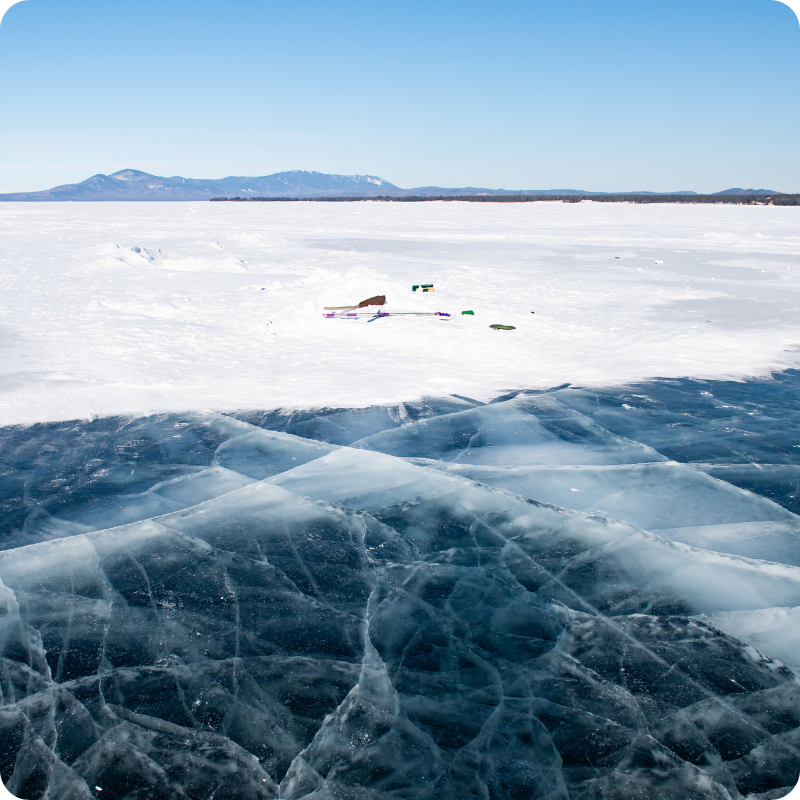
Sudden immersion in cold water triggers rapid reactions that can affect breathing, movement and the ability to stay afloat. These effects can occur well before hypothermia develops.
Understanding how the body reacts helps explain why falling through the ice or being immersed in cold water is an emergency.
Upon entering cold water, the body may experience cold shock. This immediate reaction can cause an involuntary deep gasp, followed by rapid, difficult-to-control breathing.
If the head is underwater when this gasp occurs, water may be inhaled. Feelings of breathlessness, disorientation and panic can also make the situation more difficult.
Heart rate and blood pressure may increase rapidly in response to the cold.
During the first moments following immersion, the priority is to keep the head above water and regain control of breathing.
After the initial cold shock, cooling of the muscles and extremities begins to affect movement.
The hands may lose dexterity, and the arms and legs may become less effective. Actions that would normally be simple, such as gripping an object, holding onto the edge of the ice or pulling yourself out of the water, can become increasingly difficult.
The ability to swim can also decrease rapidly. Even a strong swimmer may have difficulty coordinating movements and keeping their head effectively above water.
Cold can therefore impair physical abilities before significant hypothermia develops.
Hypothermia occurs when the body loses heat faster than it can produce it and its core temperature drops below 35°C.
Early signs may include shivering, reduced coordination, fatigue and confusion. As body temperature continues to decrease, physical and cognitive abilities may deteriorate further.
Severe hypothermia is a medical emergency and can lead to loss of consciousness and, in the most serious cases, death.
How quickly hypothermia develops varies depending on factors such as water temperature, duration of exposure, clothing, a person’s physical characteristics and environmental conditions.
Getting out of the water is a critical step, but cooling can continue.
Wet clothing, wind and outdoor temperatures can continue to contribute to heat loss. A person exposed to cold water should therefore be protected from the cold as quickly as possible and monitored closely.
Wet clothing should be removed when it can be done in a sheltered environment, then replaced with dry clothing or blankets. Sudden movements should be avoided when severe hypothermia is suspected.
If the person’s condition is concerning or deteriorating, emergency services should be contacted promptly.
A properly fitted personal flotation device (PFD) helps keep a person afloat during the initial reactions to cold water.
It reduces the effort required to keep the airway above water, allowing more energy to be focused on controlling breathing and assessing the situation.
Knowing how to swim does not replace wearing a PFD. Sudden cold-water immersion can quickly affect anyone’s abilities, regardless of swimming experience.
Falling into cold water does not immediately lead to hypothermia. Cold shock and the progressive loss of physical abilities are significant dangers during the first few minutes.
Understanding these reactions helps reinforce the importance of preventing falls, wearing appropriate equipment and knowing how to respond if immersion occurs.
In cold water, every step matters: control your breathing, stay afloat, get out of the water safely and protect yourself from the cold as quickly as possible.