Ice Safety
Stay Safe Year-Round, Even in Winter
Winter transforms lakes, rivers and ponds into spaces for a wide range of activities. However, ice remains a constantly changing natural environment, and its strength should never be taken for granted.
Even when the surface appears stable, ice thickness and strength can vary considerably from one area to another. Currents, temperature fluctuations, snow and weather conditions can weaken the ice and create hazardous areas that are difficult to detect.
Whether skating, ice fishing, hiking or enjoying other winter activities, proper preparation and safe behaviours are essential before venturing onto a frozen body of water.
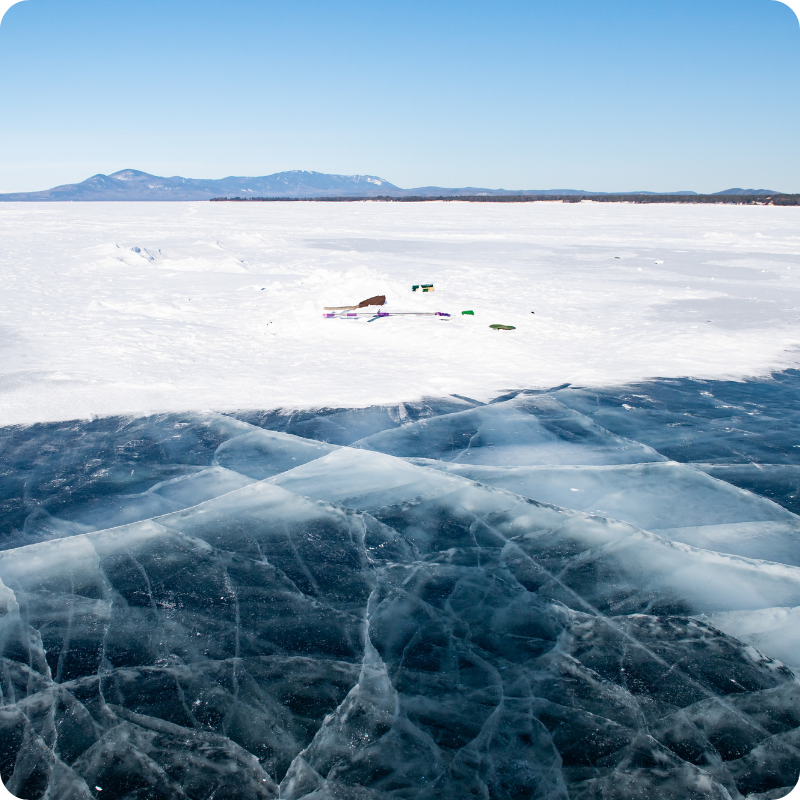 The Risks of Cold Water
Falling into cold water can quickly affect a person’s ability to stay afloat and reach a safe location. Immediately upon immersion, cold shock can trigger an involuntary breathing response and make it difficult to control breathing.
Over time, cooling can also reduce muscle strength and coordination, making self-rescue increasingly difficult. Prolonged exposure to cold can eventually lead to hypothermia.
These reactions can occur quickly, which is why preventing falls and knowing what to do in an emergency are so important. Read more
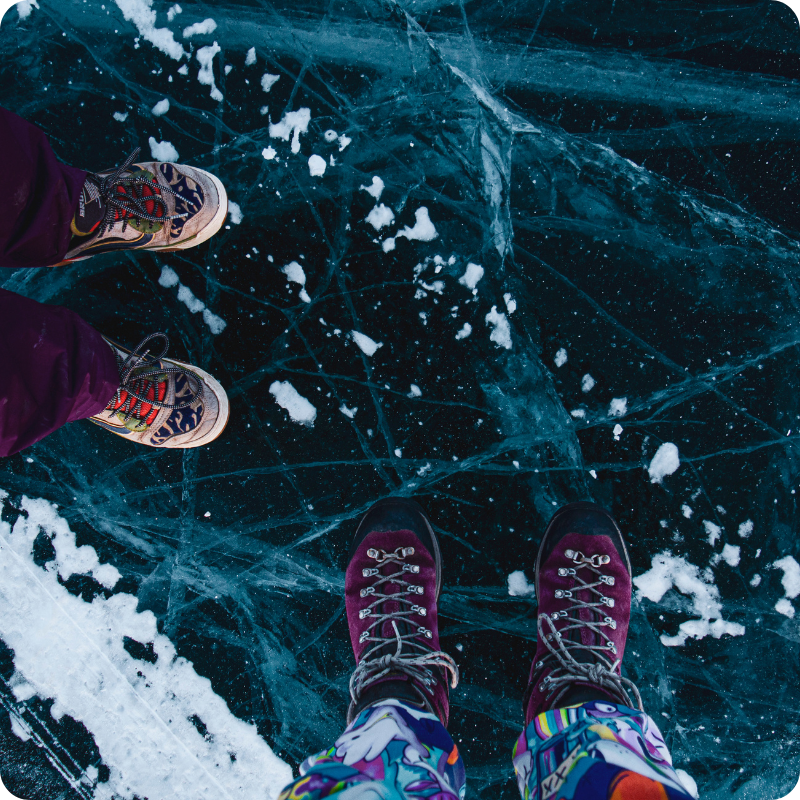
What to Know Before Venturing onto the Ice
Safety begins well before stepping onto a frozen body of water. Current and recent weather conditions, the characteristics of the body of water and the condition of the ice should all be taken into consideration.
The appearance of ice alone cannot determine its strength. A surface that appears uniform may contain weak areas caused by currents, springs, structures, snow accumulation or recent temperature fluctuations.
The Lifesaving Society also recommends avoiding going out alone, carrying a waterproof means of communication and informing a trusted person of your destination and expected return time. Read more
10 Tips for Safer Winter Activities
The Lifesaving Society has compiled 10 essential ice safety tips to help people prepare for winter activities.
Ice assessment, equipment, planning, safe behaviours, cold-water immersion, self-rescue and assisting someone in distress are among the topics covered. These tips can help people better understand the risks and know how to respond when an unexpected situation occurs. Read more
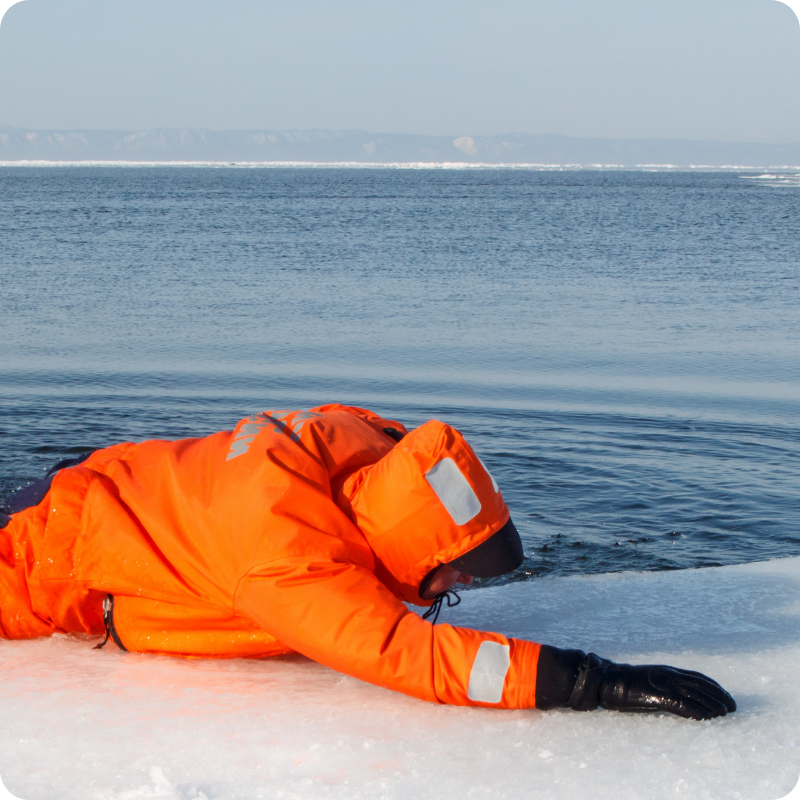
What to Do if the Ice Breaks
Falling through the ice can happen suddenly. The first few moments are critical: controlling your breathing, conserving energy and trying to get out of the water safely can make an important difference.
Helping someone who has fallen through the ice also involves significant risks. An improvised rescue attempt can result in a second person falling through and put several people in danger. Knowing the principles of self-rescue and safe ways to assist someone in distress before an emergency occurs can help you respond more effectively. The Lifesaving Society also recommends calling for help and using a reaching aid from a secure position rather than putting yourself at risk. Read More
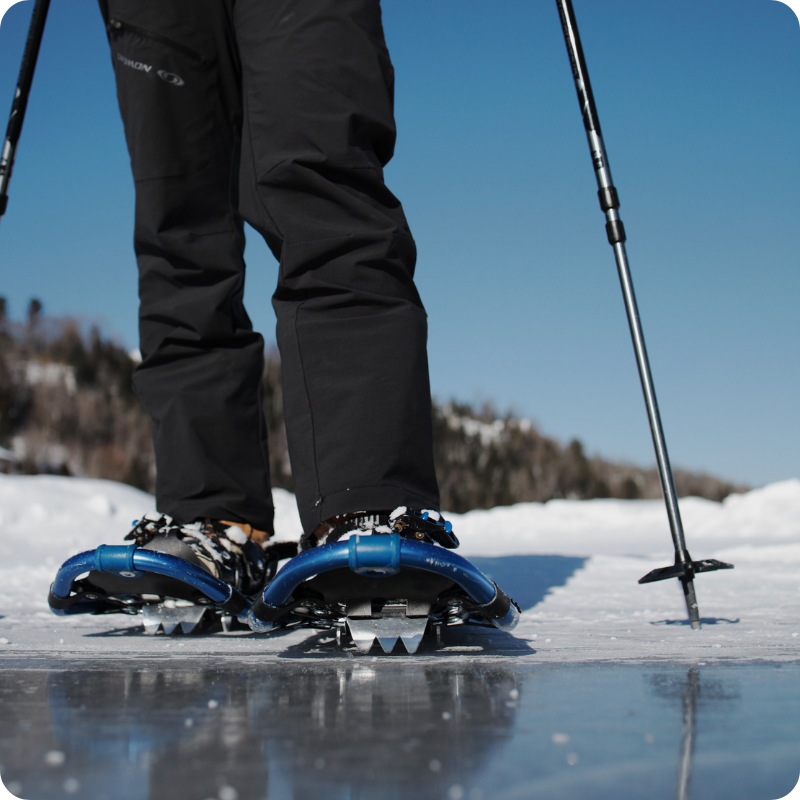
When in Doubt, Stay Out
In Quebec, winter is part of everyday life. As soon as the cold weather arrives, snowy landscapes and frozen bodies of water become popular places for a wide range of activities. Behind this winter beauty, however, lies a natural environment that can change quickly.
A surface that appears solid is not necessarily safe everywhere. Every winter, incidents occur on frozen bodies of water, particularly when people travel on uncertain ice or outside designated and monitored areas. Read more
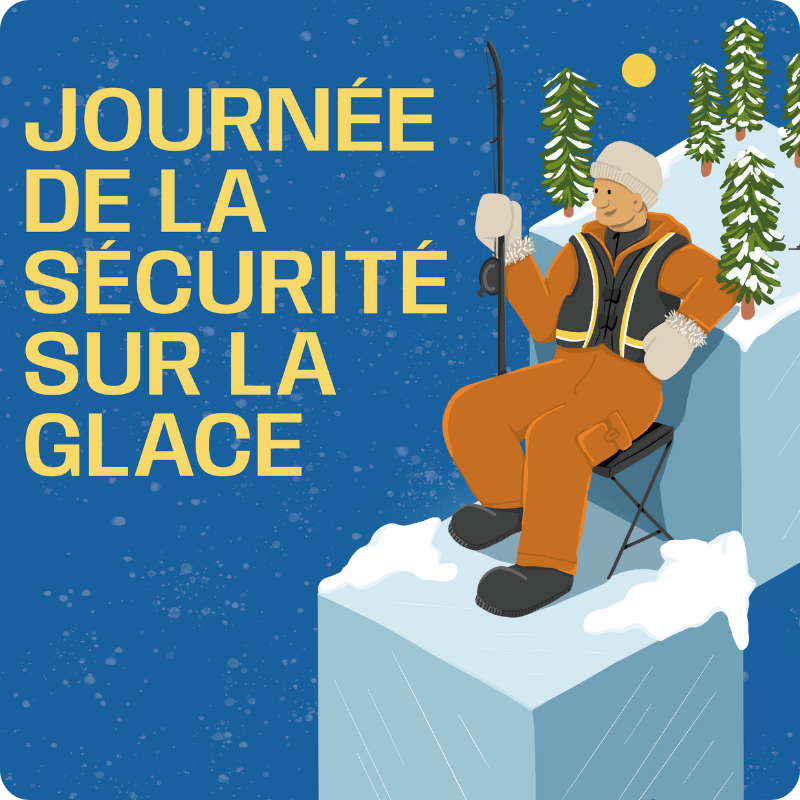
A Day Dedicated to Ice Safety
Every year on March 1, the divisions of the Lifesaving Society across Canada come together to raise public awareness of the risks associated with activities on frozen bodies of water.
As spring approaches, temperature fluctuations and freeze-thaw cycles can weaken the ice. Ice conditions become increasingly difficult to assess, even for those accustomed to winter activities.
This national awareness day serves as a reminder of the importance of recognizing hazards, checking ice conditions, and adopting safe practices before venturing onto the ice. Read more.