How to Fit a Lifejacket
Wearing a personal flotation device (PFD) is one of the most effective ways to reduce the risk of drowning during boating activities. However, to provide optimal protection, a PFD must fit properly.
A PFD that is too large, too small or improperly fastened may lose much of its effectiveness when it is needed most.
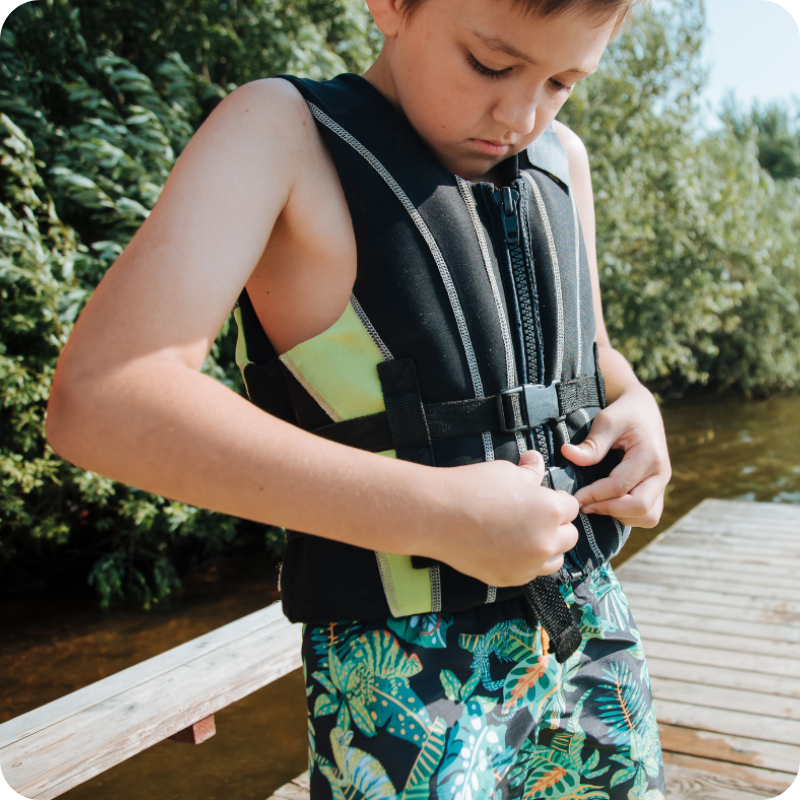
Choosing the Right Size
The manufacturer’s guidelines should be used as the reference when choosing the appropriate PFD size. Sizing is generally based on weight, chest measurement or a combination of both.
For children, it is especially important to follow the recommendations indicated on the PFD label.
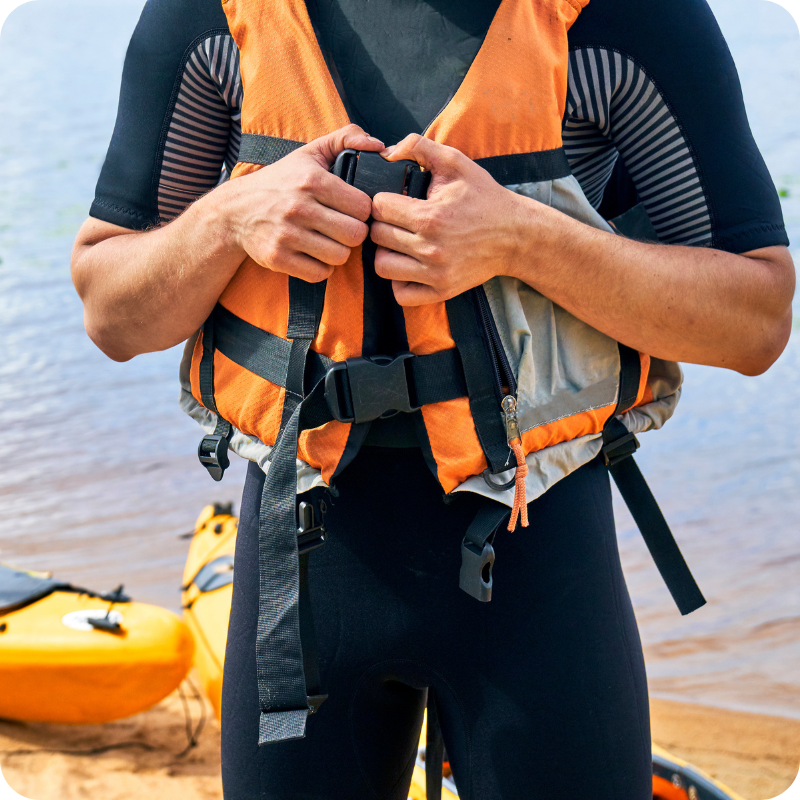
Fasten All Straps and Closures
All buckles, zippers and straps must be properly fastened before checking the fit.
A PFD worn open or only partially fastened cannot provide the intended protection.
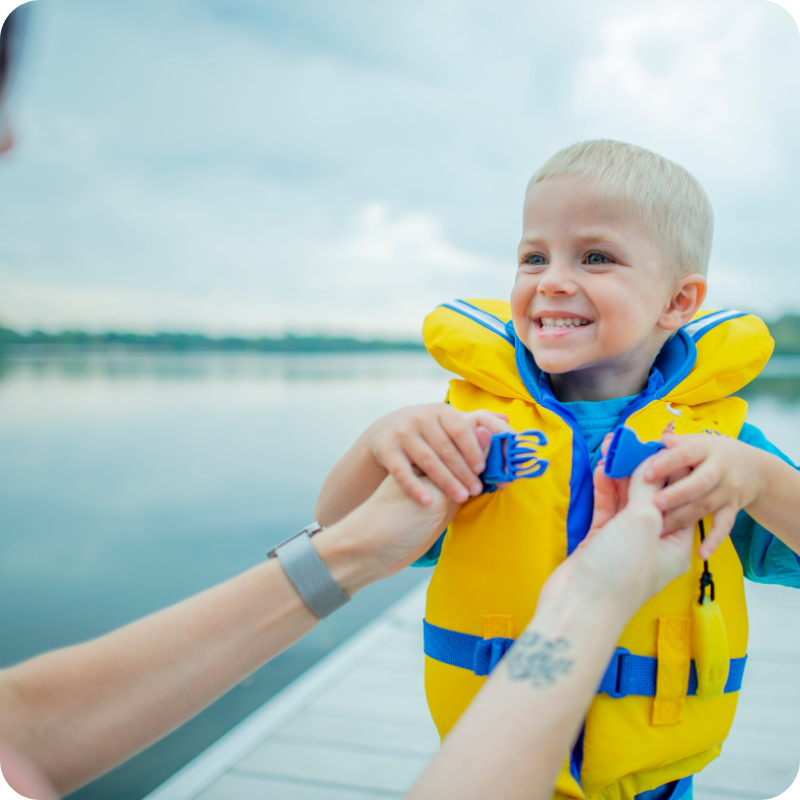
Perform the Lift Test
Once the PFD is properly fastened, raise your arms above your head while another person gently pulls upward on the shoulders of the PFD.
If the PFD rides up above the chin or ears, it is too large or not tight enough.
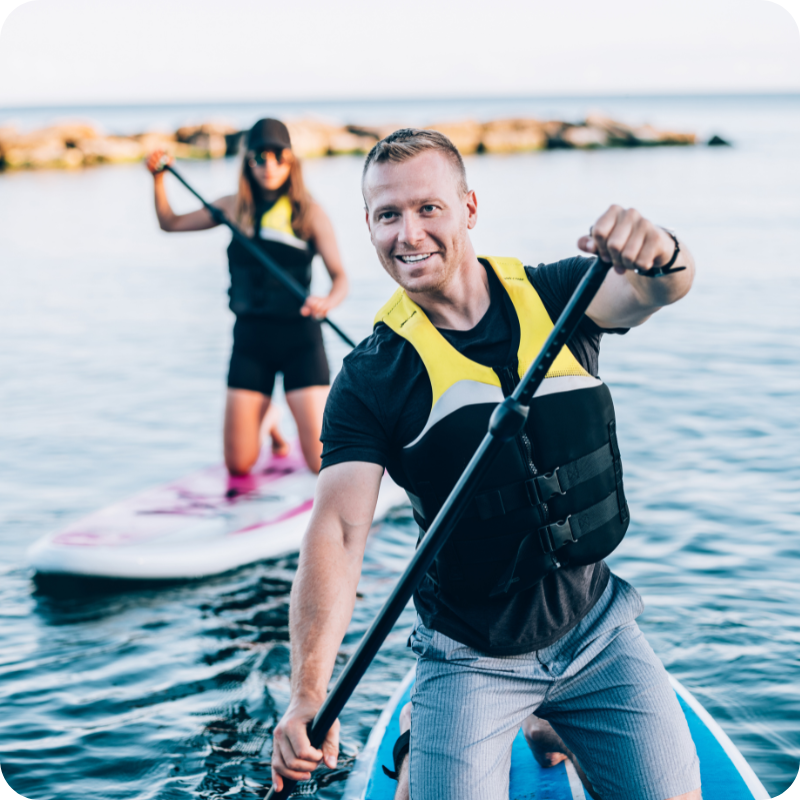
Check Your Freedom of Movement
A properly fitted PFD should be comfortable and allow you to paddle, row or operate a boat without excessively restricting your movement.
A proper fit contributes to both safety and comfort during the activity.
Children grow quickly, so the fit of their PFD should be checked at the beginning of each season and regularly throughout the summer.
A child’s PFD should:
Have a large collar to support the head;
Have waist straps;
Fit snugly and not ride up above the chin or ears.
No PFD is approved in Canada for children weighing less than 9 kg (20 lb).
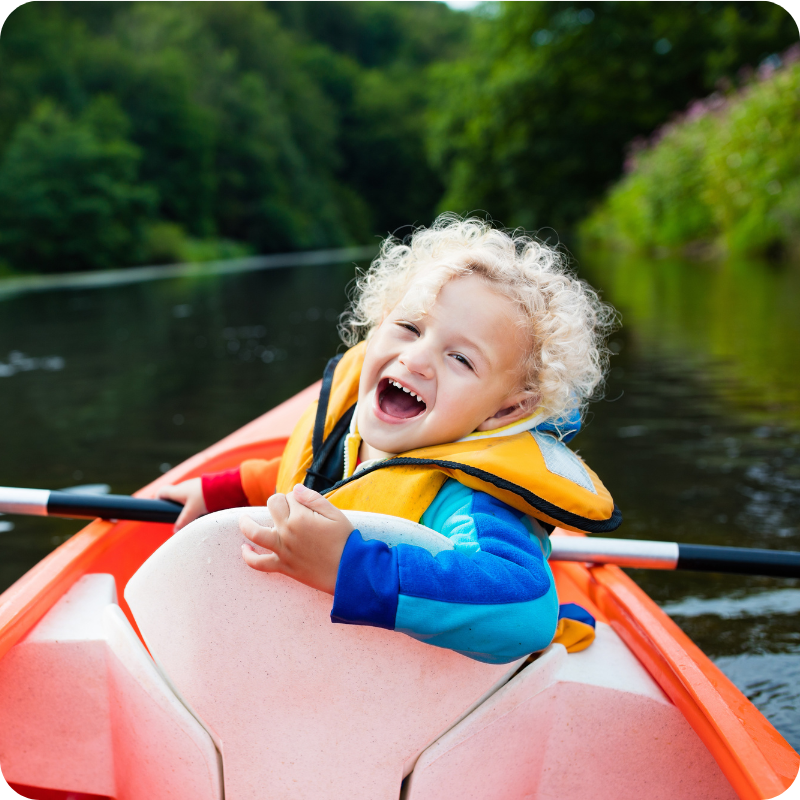
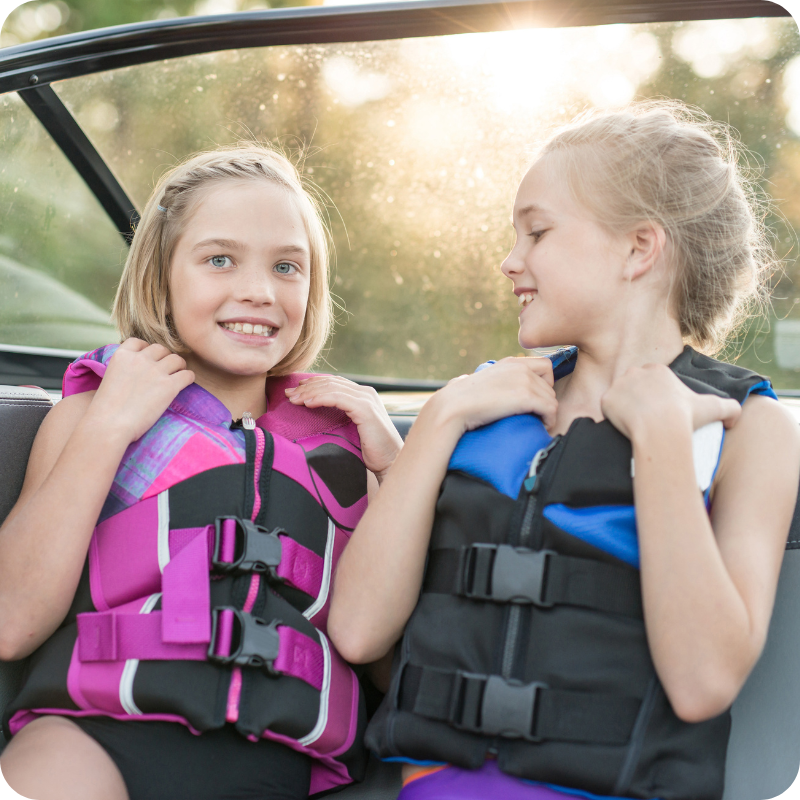
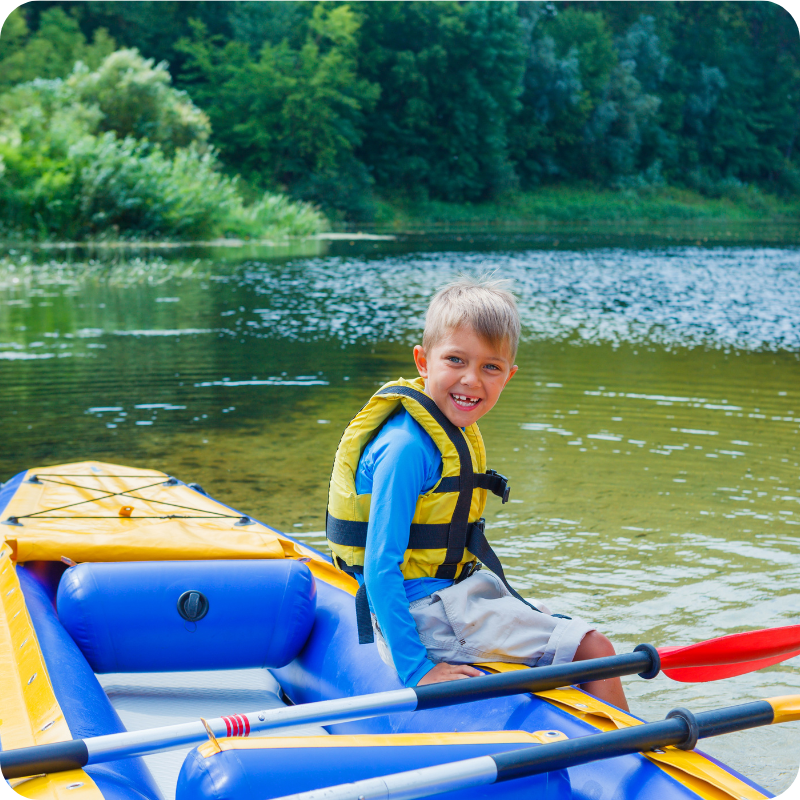
In collaboration with Canadian Tire, the Lifesaving Society presents a video featuring practical tips to help you choose a personal flotation device (PFD) suited to your needs and activities (French only).
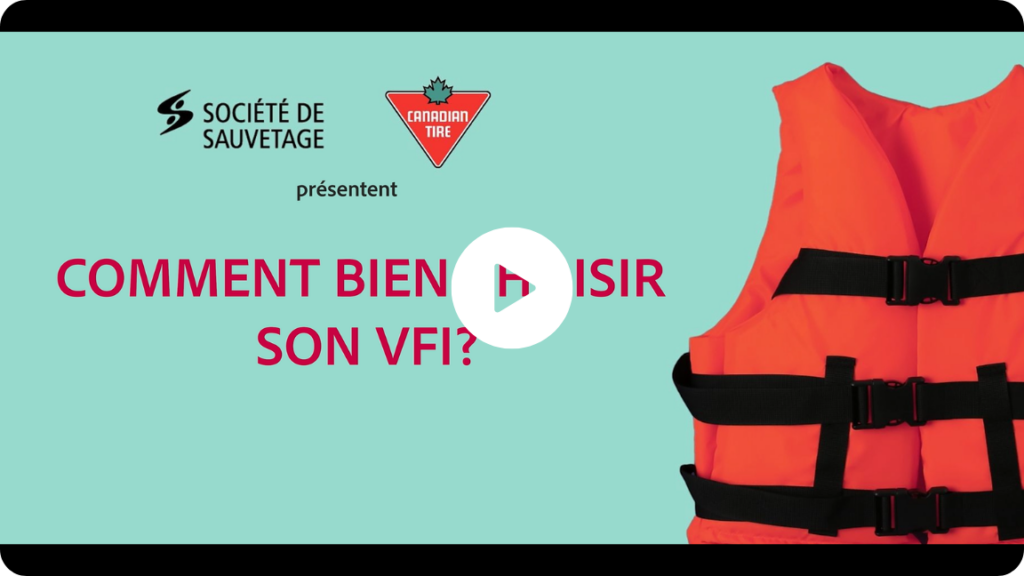
Whether boating, kayaking, canoeing, paddleboarding or spending time near a body of water, wearing a PFD is an essential safety measure. Choosing a PFD that is appropriate for the activity and fits properly can significantly reduce the risks associated with being on or near the water.
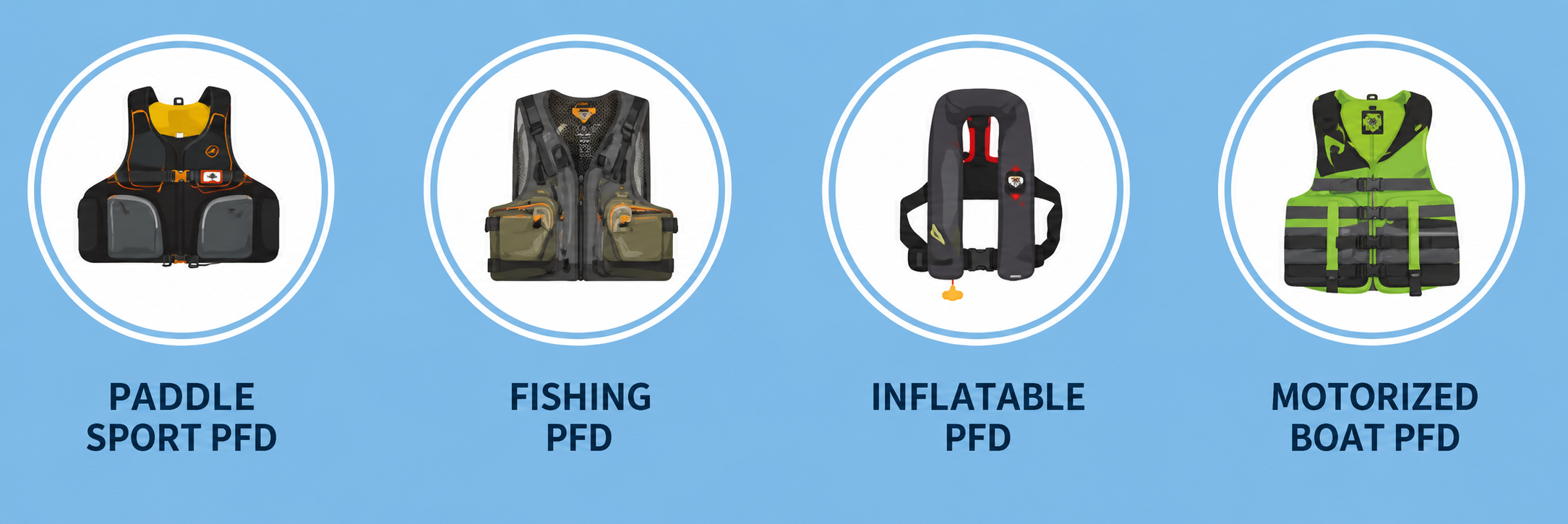
To explore the different types of PFDs available and choose a model suited to your activity, you can browse the selection available on the Canadian Tire website.
A PFD that is torn, damaged or in poor condition should not be used.
Flotation devices should not be used as seat cushions or boat fenders.
The PFD’s buoyancy should be checked regularly.
Straps, buckles and fasteners should be checked to ensure they are working properly.
Straps should be securely attached and show no signs of wear.
After use in the water, the PFD should be allowed to air dry away from direct heat sources.
The PFD should be stored in a dry, well-ventilated and easily accessible location.
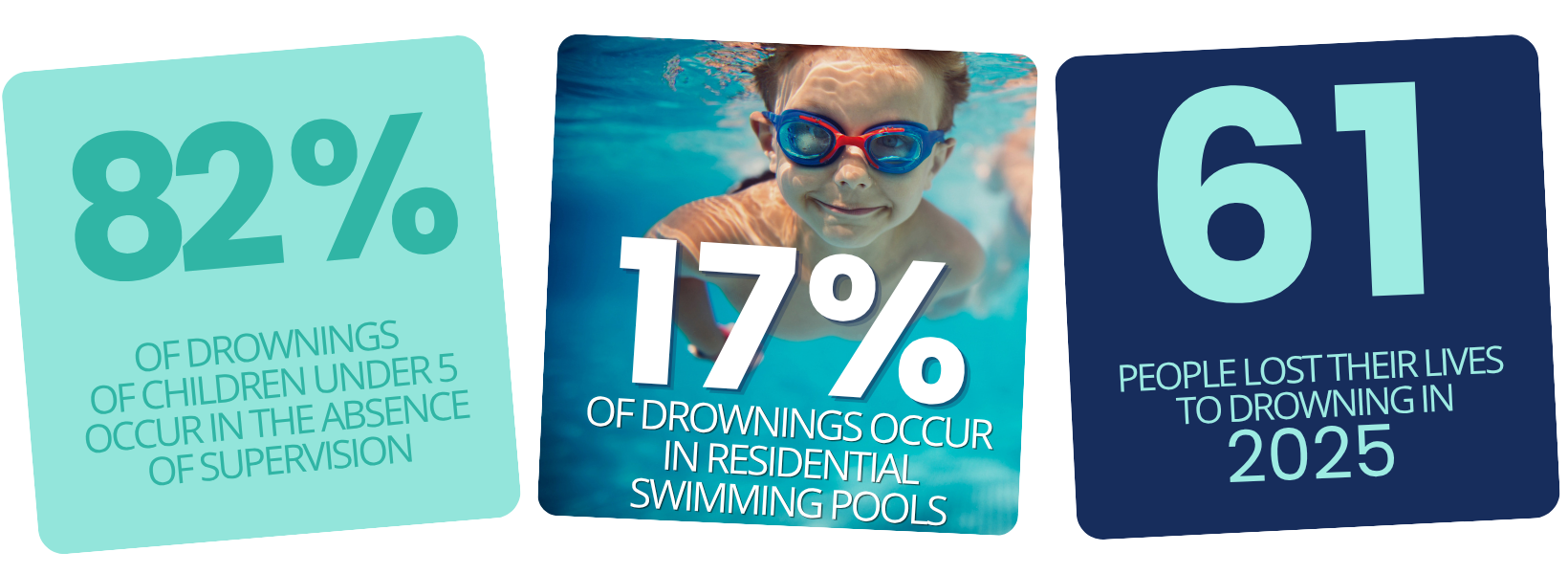
On average, 80 people die from drowning each year in Quebec.
According to the data collected:
77% of people who die from drowning are men and 23% are women;
More than 59% of drownings occur in natural bodies of water, including ponds, lakes and rivers;
17% of drownings occur in residential swimming pools;
During boating activities, in 65% of known cases, the people who drowned were not wearing a PFD.
Adopt Safe Behaviours
Here are four tips to help you adopt safe behaviours and stay alert during river outings.