Alcohol and Boating Activities
On the Water, Sobriety Is an Essential Safety Measure
Alcohol, cannabis and other substances that can impair a person’s abilities may affect judgment, reaction time, balance, coordination and risk perception. During boating activities, these effects can compromise the ability to respond quickly when an incident occurs.
Boating conditions can also place additional demands on physical and cognitive abilities. Sun, wind, waves, the movement of the watercraft, fatigue, dehydration and cold can reduce alertness and performance. Alcohol and other substances can intensify these effects.
The Lifesaving Society recommends remaining sober during boating and aquatic activities and saving alcohol consumption until all activities on and in the water are completely finished.
Alcohol can cause:
Impaired judgment;
Slower reaction time;
Reduced coordination;
Loss of balance;
Impaired perception of risk;
Riskier decision-making.
On a watercraft, these effects are compounded by waves, wind, heat, cold and fatigue.
An unexpected fall into the water requires a quick response. Impaired abilities can make it more difficult to orient yourself, perform a self-rescue, reboard the watercraft or properly use safety equipment.
Even strong swimming skills cannot eliminate these risks.
In Canada, the Criminal Code provisions regarding impaired operation also apply to operating a watercraft.
An offence may be committed when a person operates a watercraft while their ability to do so is impaired, even to a slight degree, by:
Alcohol;
Drugs;
A combination of alcohol and drugs.
The Criminal Code also includes offences related to certain concentrations of alcohol or drugs in the blood within two hours of operating a watercraft.
For alcohol, a blood alcohol concentration of 80 mg of alcohol per 100 mL of blood (0.08) or higher constitutes a criminal offence in circumstances specified by law.
However, the 0.08 limit does not mean that consuming less than this amount necessarily makes it safe or legal to operate a watercraft. A person whose abilities are impaired may commit an offence even with a blood alcohol concentration below 0.08.
The consequences of impaired operation can be significant and may include fines, driving prohibitions and, depending on the circumstances and severity of the offence, imprisonment.
The person operating the watercraft must be sober and fully capable of operating it safely. The alertness of everyone else on board is also important.
In an emergency, someone on board may need to:
Assist a person who has fallen overboard;
Throw a buoyant heaving line or lifebuoy;
Contact emergency services;
Provide the watercraft’s location;
Use safety equipment;
Assist with an emergency response.
Anyone responsible for supervising a child or a person requiring assistance should also remain sober and fully capable of responding.
Safety on board is a shared responsibility.
The risks associated with alcohol are not limited to operating a watercraft.
Swimming after consuming alcohol or another impairing substance increases the risks. Impaired judgment, balance, coordination and reaction time can contribute to an accidental fall and make it more difficult to respond appropriately when experiencing difficulty in the water.
Alcohol consumption can also lead people to overestimate their abilities or underestimate hazards.
Wearing a PFD remains essential during boating activities, but it does not compensate for the effects of alcohol or drugs on judgment and abilities.
The same precautions apply to cannabis and other drugs that can impair a person’s abilities.
Some medications can also cause drowsiness, dizziness or slower reaction times. Follow the manufacturer’s instructions and the recommendations of a healthcare professional before operating a watercraft or participating in a boating activity.
Combining alcohol, cannabis, medications or other substances can produce unpredictable effects and further impair a person’s abilities.
Any substance that can affect judgment, reaction time, balance or coordination is incompatible with the safe operation of a watercraft.
A few simple behaviours can help reduce the risks associated with alcohol and other substances during boating activities:
Remain sober while operating a watercraft;
Avoid alcohol and other impairing substances during boating and aquatic activities;
Wear a properly fitted PFD at all times while on the water;
Make sure sober individuals are available and able to respond in an emergency;
Ensure children are supervised by a sober and attentive person;
Plan your return before consuming alcohol;
Save alcohol consumption until all activities on and in the water are completely finished.
On the water, the ability to respond quickly can make all the difference. Remaining sober helps preserve the judgment, reaction time and abilities needed to protect yourself and others.
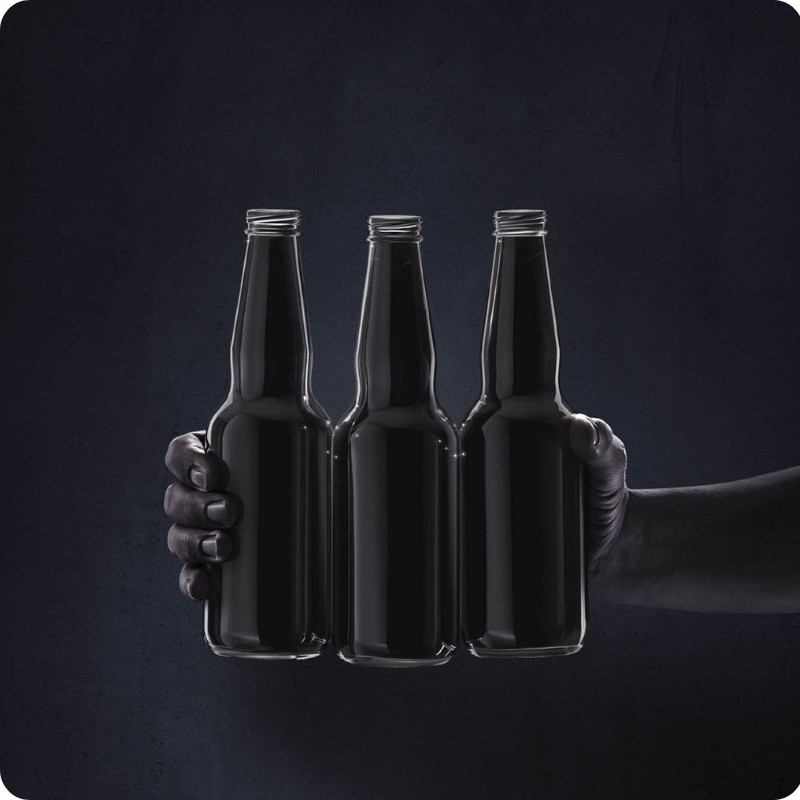 The On the Water, One Drink Equals Three campaign, developed by the Lifesaving Society in collaboration with Transport Canada, Éduc’alcool and LG2, aims to raise public awareness of the risks associated with alcohol consumption during boating activities.
The campaign reminds people that the boating environment already involves several factors that can affect their abilities and that consuming alcohol can further increase the risks associated with boating and aquatic activities.
The campaign promotes a simple message: boating and aquatic activities should be enjoyed sober.