Winter Safety Campaign
When in Doubt, Stay Out
In Quebec, winter is part of everyday life. As soon as the cold weather arrives, snowy landscapes and frozen bodies of water become popular places for a wide range of activities. Behind this winter beauty, however, lies a natural environment that can change quickly.
A surface that appears solid is not necessarily safe everywhere. Every winter, incidents occur on frozen bodies of water, particularly when people travel on uncertain ice or outside designated and monitored areas.
With this in mind, the Lifesaving Society created the “When in Doubt, Stay Out” ice safety campaign, made possible through the support of the Québec Safety-Integrity Program. The campaign aims to increase awareness of the risks and safe behaviours associated with different winter activities.
One simple principle applies to all activities: when it is impossible to determine whether conditions are safe, the safest choice is to stay off the ice.
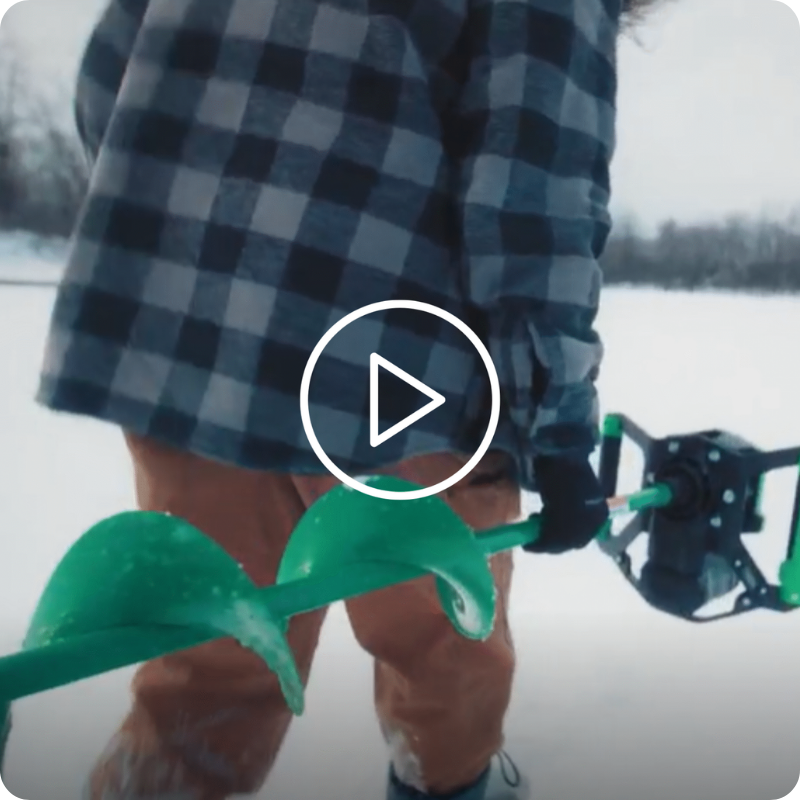
Ice Fishing
Outside designated areas, assess the environment: Before any activity on a frozen body of water, it is essential to understand the characteristics of the environment and the factors that can affect ice strength. Currents, water depth, wind, snow and temperature fluctuations can all weaken a frozen surface. Wet, cracked or thawing ice should always be avoided.
Measure the ice at several locations: A drill, saw or auger, along with a measuring tape, is the best way to assess ice thickness. New, clear ice is generally the strongest, while grey or white ice that has undergone repeated freeze-thaw cycles is weaker and requires greater thickness to provide comparable strength.
Avoid going out alone: Having at least one other person present can make all the difference in an emergency. Going out with someone increases the chances of getting help quickly or contacting emergency services when an incident occurs.
Hockey and Skating
Outside designated areas, establish an activity zone close to shore: Before using a natural ice surface, check ice conditions at several locations and clearly define the activity area. Being close to shore may make evacuation or emergency response easier, but it does not guarantee that the ice is stronger.
Check the ice thickness: The thickness and quality of the ice should be checked before setting up or using a skating area. For an individual activity, a minimum of 10 cm of new, clear ice is recommended. When several people are on the ice, greater thickness is required.
Go with someone: Having another person present can make all the difference in the event of a fall or accident by making it possible to get help or quickly contact emergency services.
Snowshoeing and Cross-Country Skiing
Go with someone: Participating in the activity with another person or in a group makes it possible to get help quickly or contact emergency services in the event of an accident.
Plan your outing: Before leaving, assess the abilities and energy levels of everyone taking part and choose an appropriate route. Check the weather conditions and share the planned route and expected return time with a trusted person. Warm clothing, safety equipment, water, snacks and a means of communication protected from cold and water should also be part of your equipment.
Check ice conditions and thickness: A frozen body of water should never be assumed to be safe. If the route requires travelling onto the ice, its thickness and condition should be checked at several locations. Local conditions should also be verified with a reliable source. When it is impossible to confirm that conditions are adequate, staying on land is the safest choice.
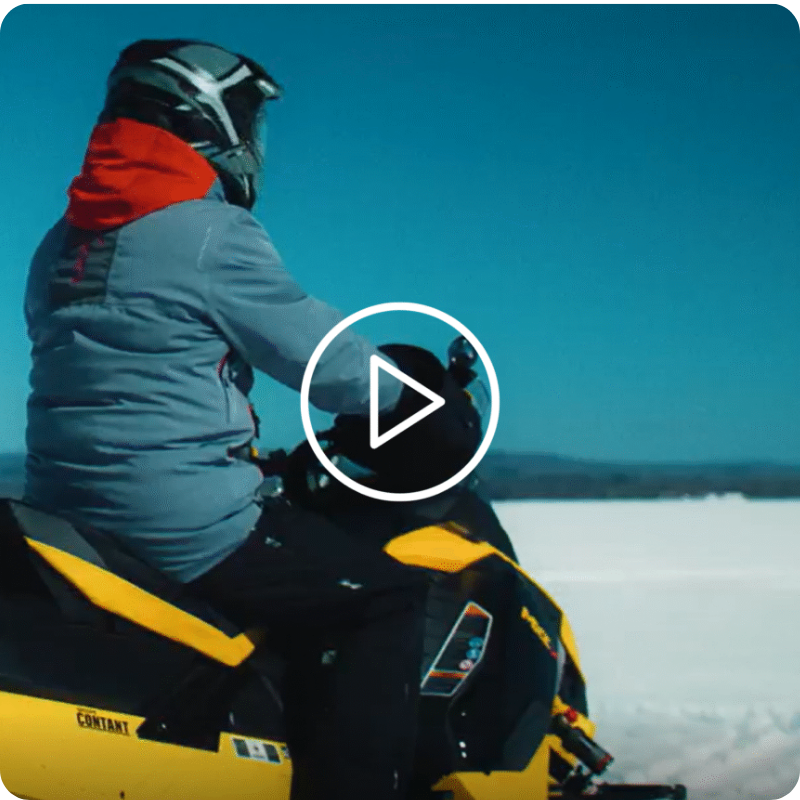
Snowmobiling and ATV Riding
Use designated trails and stay on land outside these areas: Taking a shortcut across a frozen lake or river can involve significant risks. Official trails maintained by clubs should be used whenever possible. If a trail crossing a frozen body of water is closed or ice conditions are uncertain, staying on land is the safest choice.
Plan your outing: The iMotoneige and iQuad apps can be used to check trail conditions and plan a route. Before leaving, check the weather conditions and share your destination and expected return time with a trusted person. Equipment appropriate for the cold, the length of the trip and unexpected situations should also be carried.
Go with someone: Travelling with another person or in a group increases the chances of getting help and responding quickly in an emergency. However, a safe distance should be maintained between vehicles, particularly when crossing a frozen body of water.
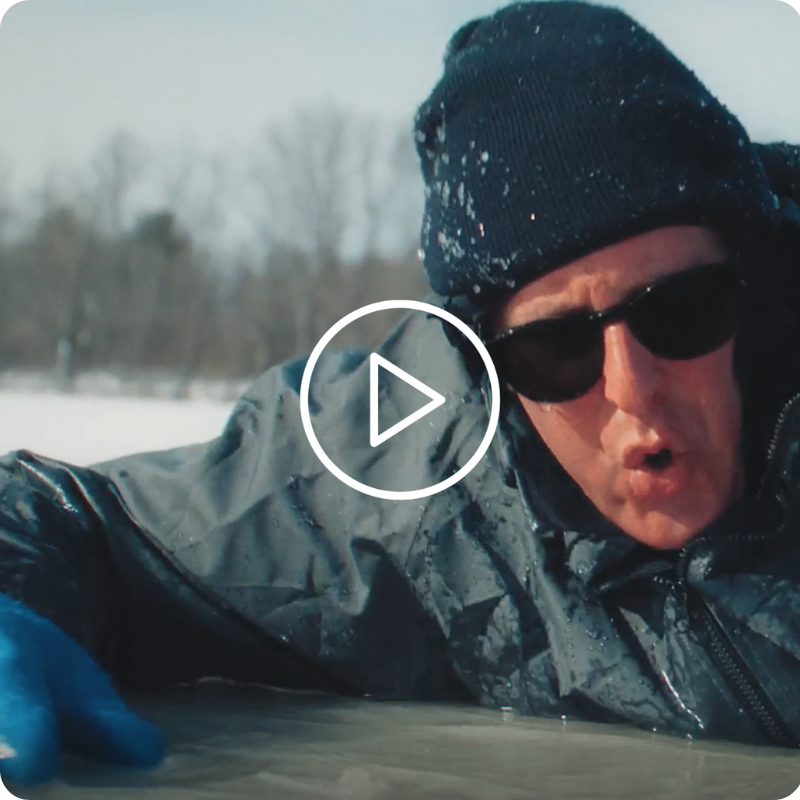
Self-Rescue | 1-10-1
1 minute — Control your breathing: During sudden cold-water immersion, cold shock can cause an involuntary gasp followed by rapid, difficult-to-control breathing. The priority is to keep your head above water, remain as calm as possible and gradually regain control of your breathing.
10 minutes — Take action: Cold progressively reduces strength, coordination and dexterity. As soon as breathing is under control, attempt to get out of the water by returning, when possible, in the direction you came from. Place your arms on the ice, kick your legs to bring your body into a horizontal position and pull yourself onto the surface. Ice picks can provide additional grip. Once out of the water, crawl or roll away from the hole without immediately standing up.
1 hour — Delay the effects of hypothermia: The one-hour guideline refers to the period during which hypothermia may progressively lead to loss of consciousness; it is not a guaranteed timeframe. If getting out of the water is impossible, the priority is to conserve energy, limit unnecessary movement and keep the airway above water while waiting for help. Once out of the water, move to a safe location protected from the cold, replace wet clothing with dry clothing when possible and warm up gradually.
The “When in Doubt, Stay Away” campaign also includes videos and awareness posters tailored to the main winter activities.
These resources can be used and shared by municipalities, organizations, recreation providers and any other organization wishing to contribute to the prevention of ice-related incidents.